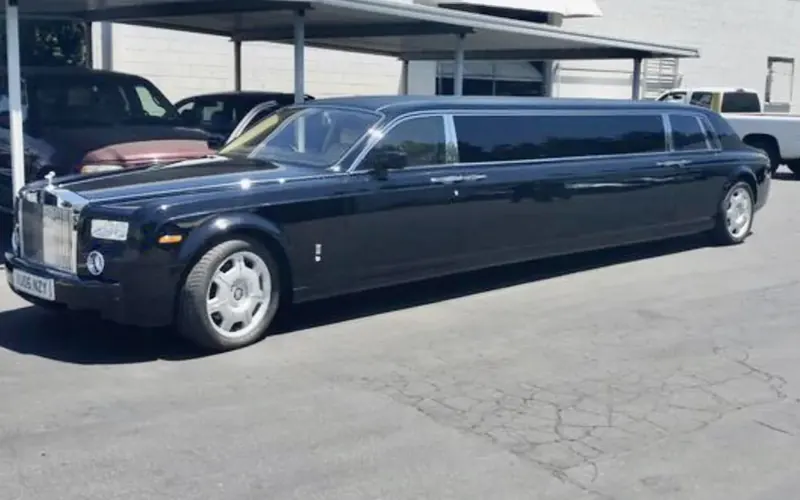
Most people book a chauffeured car without thinking much about the clock. Then a flight lands early, a dinner runs long, or a photo session at the venue takes an extra half hour, and the question comes up: does this cost more? The limo wait time grace period is the detail that answers it, and it is worth understanding before the day arrives.
An airport pickup and an hourly charter are timed differently, and the grace period works differently for each. Airport pickups follow your flight, while hourly charters run on a fixed start and end time. This guide explains how the clock starts and stops in each case, what usually triggers overtime, and how to plan a trip that stays inside the time you booked.
How the Clock Runs on an Airport Pickup
On an airport reservation, the timing is built around your flight, not around a fixed appointment. You give your flight number when you book, and the chauffeur or dispatch team tracks it. If the flight lands late, the pickup moves with it. If it lands early, the driver knows that too.
The clock generally starts when your flight actually arrives, not when it was scheduled to arrive. That protects you from paying for a delay that was the airline's fault. From there, the wait allowance covers the time it takes to get off the plane, walk through the terminal, collect bags and reach the pickup point.
At Hartsfield-Jackson, that walk can be long. The plane train, baggage claim and the curb all add minutes, and international arrivals add customs and immigration. A domestic carry-on arrival moves much faster than an international checked-bag arrival, which is why the allowance is usually counted from landing rather than from a set time on your confirmation.
Share your flight number: This is what lets the driver track your arrival and adjust the pickup time automatically.
Confirm the terminal and airline: ATL has domestic and international sides, and the pickup point differs.
Tell the company about checked bags: Baggage claim time is part of the wait, and it helps the driver plan.
Update your phone number: If the flight changes or you get stuck, the driver can reach you.
Ask about meet and greet: An inside-the-terminal greeting changes where and how the wait is handled.
How Hourly Charters Differ
An hourly charter is a different animal. You book a vehicle for a block of time, and the clock starts at the scheduled pickup time and ends when the booking ends. It does not matter whether you are stuck in traffic on the Downtown Connector or waiting for the bride to finish photos. The hours are the hours.
That is the point of hourly service: the vehicle and chauffeur are yours for that window. A wedding party can run from hotel to ceremony to photos to reception without worrying about a meter. A corporate group can hold a dinner meeting and a client drop-off in one booking.
The trade-off is that the end time matters. If your booking is scheduled to wrap up and you are not back in the vehicle, the extra time is typically billed as overtime. Most companies bill overtime in set increments, and the rate is usually higher than the standard hourly rate. Ask how your company handles it before the day arrives.
When the Clock Starts
For most hourly bookings, the clock starts at the scheduled pickup time, not when the last passenger climbs in. If your group is late getting ready, that time still counts. Tell your chauffeur as soon as you know you are running behind so dispatch can plan.
When the Clock Stops
The clock stops at the scheduled end of the booking, or when you release the vehicle, whichever comes first. If you want to extend, ask early. A chauffeur with a later reservation may not be able to stay, and a replacement vehicle is not guaranteed at short notice.
How the Limo Wait Time Grace Period Varies by Company
There is no universal standard for a limo wait time grace period. Some companies build a short cushion into airport pickups and a smaller one into hourly charters. Others charge from the moment the flight lands or the booking begins. The only reliable answer is the one in your written quote and confirmation.
This is why you should ask directly when you book. A good company will tell you plainly how the wait is counted, what happens if your flight is delayed, and when overtime begins. If the answer is vague, that is a sign to get it in writing before you pay a deposit.
Grace periods can also differ by service type. An airport transfer, an hourly charter, a wedding and a group shuttle may each have their own rules. Ask about the specific booking you are making, not just the company's general policy.
Remember that gratuity, tolls and fees are usually listed separately on a written quote. Ask whether overtime is billed at the same rate as your hourly time and whether gratuity applies to it.
What Usually Triggers Overtime
Overtime is rarely a surprise. It almost always comes from one of a few common situations, and each one is easy to plan around once you know it is coming.
The most common is a schedule that was too tight from the start. A wedding timeline that allows no cushion between the ceremony and the reception, or a dinner reservation booked right after a flight lands, leaves no room for anything to go wrong. Traffic, slow photos and long goodbyes are all normal.
The second is a change of plans made on the day. Guests want to stop somewhere else, the group decides to stay for one more song, or the restaurant seat is late. None of these are problems, but they do add time.
The third is a flight delay that pushes past the wait allowance, especially on an international arrival with a long customs line. Flight tracking handles most of this, but a very long delay can still run past the allowance.
| Booking type | When the clock starts | What causes overtime |
|---|---|---|
| Airport pickup | Usually when the flight actually lands | Wait beyond the allowance, usually after baggage claim or customs |
| Hourly charter | At the scheduled pickup time | Running past the scheduled end time |
| Wedding transfer | At the scheduled pickup time | Photos, late ceremony, extended send-off |
| Group shuttle | At the scheduled pickup time | Late departures, extra stops, return trips that run long |
| Point-to-point ride | At the scheduled pickup time | Extended wait at the pickup address |
Ways to Avoid Paying Overtime
The simplest way to avoid overtime is to book a little more time than you think you need. A cushion of extra time costs less than an overtime charge, and it removes the stress of watching the clock all evening.
For airport pickups, share your flight number and keep your phone on after landing. If you are stuck at baggage claim or in a customs line, a quick message lets the driver know you are coming. That is far better than silence.
For events, build the timeline around the real world. A concert at State Farm Arena or a show at the Fox Theatre ends when it ends, and the crowd leaving the parking decks adds time. Tell your chauffeur where to meet you and agree on a pickup window before you go in.
For weddings, ask your planner to schedule the vehicle with slack around the ceremony and photos. A wedding limo service that is booked with realistic timing will almost never run into overtime.
For long dinners or nights out, an hourly charter with a generous window is usually cheaper and calmer than a tight booking plus overtime.
Book a cushion: Add time for traffic, photos and goodbyes rather than planning to the minute.
Share your flight number: Flight tracking is the single best protection on an airport pickup.
Agree on a pickup window: Tell your chauffeur when and where to meet you before you head into the venue.
Ask before you extend: A quick call to dispatch early is better than a surprise at the end of the night.
Keep the quote handy: Know your scheduled end time and how overtime is billed.
Airport Pickups at ATL and the Private Airports
Hartsfield-Jackson is one of the busiest airports in the country, and the time between landing and the curb is real. Domestic arrivals use the plane train and baggage claim, and international arrivals add customs and immigration. A car service from ATL Airport is usually timed from your actual landing for exactly this reason.
The private airports work differently. At PDK, FTY, LZU, RYY and FFC, you often walk from the aircraft to the FBO lobby in a couple of minutes. Waits are shorter, but the same principle applies: give the operator your tail number or arrival time so the vehicle is there when you are.
If you want the chauffeur inside the terminal to help with bags, ask about a meet and greet. It changes where the pickup happens and how the wait is handled, so confirm it at booking rather than on the day.
For a group arriving together, a larger vehicle can be more efficient than several separate pickups. A Sprinter van or a mini bus shuttle keeps everyone on one timeline and one set of wait rules.
How to Read the Timing Terms on Your Quote
A written quote should tell you more than a total. Look for the scheduled start and end time, the pickup location, the vehicle type and any minimum hours. Those details are what the clock runs on.
Check whether the quote lists gratuity, tolls and fees separately. A clear quote itemizes them, so you can see what is included and what is not. Overtime, if it happens, should also be clearly explained.
Ask how the company handles flight delays, early arrivals and cancellations. A professional operator will have a straightforward answer, and it should match what is written on your confirmation.
If you are comparing quotes, compare the timing terms, not just the total. A quote with a generous wait allowance and clear overtime rules may be the better value even if the headline number is higher.
Planning Around the Clock
Once you understand how the clock runs, planning gets easier. For airport trips, the timing is mostly out of your hands, which is why flight tracking and a clear wait allowance matter. For charters, the timing is entirely in your hands, which is why a realistic schedule is the best protection.
A few habits cover most situations. Book a chauffeur service with a written quote that spells out the timing. Share your flight number or arrival details. Tell the driver when plans change. And when in doubt, ask about the grace period before you book rather than after.
That is the whole idea behind a limo wait time grace period: it exists to absorb the small, normal delays of real travel. Know what yours is, plan a little slack, and the clock stops being something to worry about.
Frequently asked questions
Does the wait time start when my flight lands or when it was scheduled?
On most airport pickups, the clock starts when your flight actually lands, and the company tracks the flight to adjust. That means an early or late arrival usually does not cost you extra. Confirm the rule with your operator when you book.
What is a limo grace period?
A grace period is a short cushion built into a booking before wait time or overtime is billed. It varies by company and by booking type, and there is no industry standard. Ask what applies to your specific reservation and get it in writing.
How is overtime billed on an hourly charter?
Overtime is usually billed in set increments at a rate that is higher than your standard hourly rate. The exact terms should be on your quote. Ask before the event so there are no surprises at the end of the night.
Can I extend my booking on the day?
Sometimes, if the chauffeur has no later reservation. Ask dispatch as early as you can rather than at the scheduled end time. A replacement vehicle is not guaranteed at short notice, especially on busy weekends.
Do flight delays cost extra?
Usually not, as long as the delay is tracked and within the wait allowance. Very long delays, or time spent in customs and baggage claim beyond the allowance, can trigger a wait charge. Ask how your operator handles it.
Does gratuity apply to overtime?
That depends on the company. Some apply gratuity to the full bill, including overtime, and some do not. The quote should list gratuity separately so you can see how it is calculated.
How can I avoid overtime at a concert or game?
Agree on a pickup window and location before you go in, and allow for the crowd leaving the venue. If the event runs long, message your chauffeur early. Booking a little extra time is usually cheaper than overtime.