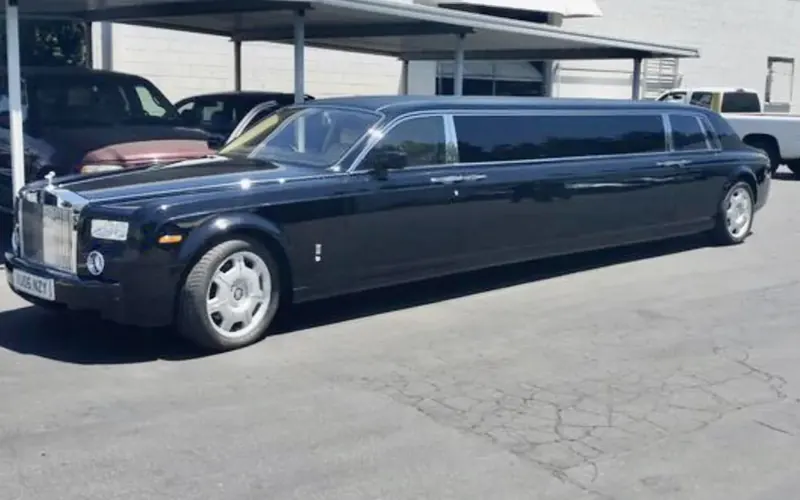
Most limo bookings go smoothly, but the ones that go wrong tend to share a root cause: the company was never properly licensed to operate. Knowing what a licensed limo company in Georgia looks like on paper is the fastest way to avoid the alternative, and it takes about ten minutes of asking the right questions.
An unlicensed operator can leave you without a legal ride, without insurance coverage and without much recourse if something goes wrong on the way to the airport or the wedding. This guide walks through the warning signs, the documents a legitimate operator should be able to produce, and the booking behaviors that separate a real chauffeured service from someone with a nice website and a borrowed SUV.
Why licensing matters for a limo booking in Georgia
When you hire a limousine or chauffeured car, you are not just paying for a vehicle. You are paying for a driver, a commercial operation and a layer of accountability that comes with state oversight. A licensed limo company in Georgia operates under rules that cover vehicle safety, driver qualifications and insurance minimums.
An unlicensed operator skips all of that. That might mean a driver without a proper for-hire license, a vehicle that has not been inspected for commercial use, or a personal auto policy that will not pay a claim if you are injured in a paid ride. Those gaps stay invisible until something goes wrong.
The risks stack up quickly for the kinds of trips people book limos for. Airport runs happen at odd hours on busy highways. Wedding and prom bookings carry groups of passengers. Event nights involve traffic, crowds and late returns. In each case, the margin for an uninsured or unqualified driver is thin.
Georgia's regulatory structure for for-hire carriers is handled at the state level, and the specific department, forms and requirements can change. Treat this article as general guidance, not legal advice, and confirm current requirements with the state authority that regulates passenger carriers before you sign anything.
What a licensed limo company in Georgia should be able to show you
You do not need to audit a company, but you should be able to see that the paperwork exists. A licensed operator can usually confirm its authority to operate as a for-hire passenger carrier in Georgia and provide proof of commercial insurance on request.
Ask for a certificate of insurance if your booking is a corporate account, a wedding with a contract or any group trip where liability matters. Many venues and corporate travel policies require it. A company that cannot produce one is telling you something.
Vehicle details matter too. Ask for the year, make, model and passenger capacity of the car assigned to your reservation. Seat counts vary by configuration, so the exact vehicle should be confirmed on your quote rather than left to the day of the trip.
If you are booking a black car for business travel, the same standard applies. A black car service should be able to tell you who owns the vehicle, who drives it and what coverage is in place before your card is charged.
This is general information, not legal or tax advice. Requirements for for-hire carriers, chauffeur licensing and insurance minimums can change, so confirm current rules with the state authority that regulates passenger carriers in Georgia.
Red flags you can spot before you ever call
Some warning signs show up in the first minute of looking at a company's website or online listing. None of these are proof of a problem on their own, but two or three together should make you slow down.
A company that will not state its legal business name is the biggest one. Trade names are fine, but a real operator has an LLC or corporate name it will share when asked. If the only identity you can find is a first name and a phone number, keep looking.
Another common pattern is a site built entirely around generic stock photos with no address, no service area detail and no mention of how the company is regulated. Legitimate operators in metro Atlanta usually describe their fleet, their service areas and their booking process in specific terms.
No legal business name: The company will not share an LLC or corporate name, or the name does not match anything on the quote.
No physical presence: No office, no garage, no service area detail, just a phone number and a contact form.
Stock-only photos: Every image is generic, with no real vehicles, no real chauffeurs and no local landmarks.
Vague fleet descriptions: You cannot get a straight answer about the make, model or passenger capacity of the vehicle assigned to you.
No written quote: Pricing is quoted verbally or changes each time you ask.
Cash-only payment: No card processing, no receipt, no paper trail.
Pressure to decide now: The price is only good today, or the vehicle is 'the last one' for your date.
Questions that separate a licensed operator from a broker
The fastest way to check whether you are talking to a licensed limo company in Georgia is to ask a few direct questions and listen to how they are answered. A licensed operator answers plainly because the answers are part of doing business. A broker or unlicensed operator deflects, gets vague or turns the conversation back to price.
You do not need to be confrontational. Frame it as standard practice. Any professional operator has been asked these questions before and will not be offended.
What is your legal business name, and who operates the vehicles? You want to know whether you are booking with the company that owns and drives the cars or with a reseller.
Are your drivers licensed and background-checked? For-hire chauffeurs in Georgia are subject to licensing and screening requirements.
What kind of insurance covers this trip? Commercial coverage is the answer you want, not 'we're fully covered' with no detail.
Can you send a written, itemized quote? A real quote lists the vehicle, the hours, gratuity, tolls and any fees separately.
What happens if my flight is delayed? Airport pickups should be tracked to the flight, not scheduled to a guess.
Who do I call the day of the trip? You should have a direct number for a dispatcher or coordinator, not just a general inbox.
How unlicensed operators disguise themselves
Unlicensed limo companies rarely announce themselves. They usually look like a small local operator with a clean website and competitive pricing. The disguise is often good enough that most customers never ask.
One common approach is the broker model. A website takes your booking, collects a deposit and then subcontracts the ride to whoever is available. Sometimes that is a legitimate operator. Sometimes it is a driver with a personal vehicle and no commercial coverage. You will not know which until the car shows up.
Another pattern is the part-time operator. Someone with a nice SUV takes weekend bookings through social media, quotes a flat cash price and shows up in a vehicle registered for personal use. The ride may feel fine. The problem is what happens if there is an accident, a cancellation or a dispute over the price.
There is also the borrowed-identity approach: a company uses photos of another operator's fleet, or a name close to a well-known local business, to look established. Reverse-image searching a few photos and checking whether the fleet matches the description is a quick way to catch it.
Comparing quotes without getting burned
Price is where unlicensed operators have an advantage, because they carry fewer costs. That is also why the cheapest quote is rarely the best one. Comparing quotes properly means comparing what is included, not just the bottom line.
A legitimate quote is itemized. You should see the vehicle and hourly or trip rate, gratuity, tolls and any applicable fees listed separately. If a quote is a single number with no breakdown, ask for the breakdown before you compare it to anything else.
Watch for quotes that exclude gratuity or fuel and then add them at the end. Also watch for quotes that do not specify the vehicle. A price for 'a limo' is not a price for the stretch SUV you were shown on the website.
If your trip is a corporate booking with multiple pickups or a multi-day event, the comparison gets more complex. Corporate transportation programs usually involve account setup, billing terms and reporting, and a company that cannot handle those basics is not set up for business travel.
When you have two quotes in front of you, ask each company the same follow-up questions: what is the cancellation policy, what happens if the vehicle breaks down, and who is the chauffeur assigned to the trip. The answers will tell you more than the price.
What a properly licensed booking looks like
A clean booking process is its own form of verification. When a company does things in a consistent order, it usually means there is an operation behind the website.
The pattern looks like this: you request a quote, you get a written itemized quote, you confirm the vehicle and the time, you pay a deposit through a traceable method and you receive a confirmation with the details. Before the trip, you get chauffeur and vehicle information. On the day, the chauffeur arrives early, confirms the itinerary and handles the ride.
For airport trips, the licensed version includes flight tracking so a delay does not leave you standing at the curb or the chauffeur waiting without information. For events, it includes a plan for drop-off and pickup at a busy venue. For weddings, it includes a timeline that accounts for photos, traffic and the ceremony start.
None of this is exotic. It is just the standard operating procedure of a company that expects to be accountable. If a booking feels improvised at every step, that is worth noticing.
A quick checklist before you pay a deposit
Run through this list before you commit. It takes a few minutes and covers the gaps that cause most problems.
If a company fails more than one or two of these, move on. There are enough legitimate operators in metro Atlanta that you do not need to take the risk.
One more point on timing: peak dates fill up. Prom season, wedding Saturdays, major concerts and game days all compress availability. Booking early with a verified operator is easier than scrambling late with whoever still has a car.
Confirm the legal name: Match it to the quote and the payment receipt.
Ask about insurance: Request a certificate if the trip is corporate or contract-based.
Get the quote in writing: Vehicle, hours, gratuity, tolls and fees listed separately.
Confirm the exact vehicle: Make, model and passenger capacity, not a category.
Check the payment method: Traceable, with a receipt you can keep.
Ask who to call on the day: A dispatcher or coordinator, not a general inbox.
| Check | Licensed operator | Unlicensed operator |
|---|---|---|
| Legal business name | Shared on request and on the quote | Vague or withheld |
| Insurance | Commercial coverage, certificate available | Personal policy or no answer |
| Driver screening | Licensed, background-checked chauffeurs | Unknown or informal |
| Quote | Written and itemized | Verbal, changes, or single number |
| Payment | Traceable, with receipt | Cash-only or untraceable |
| Vehicle assigned | Confirmed by make, model and capacity | 'A limo' with no detail |
| Flight tracking | Standard on airport pickups | Not offered |
Protecting yourself after you book
Verification does not end at the deposit. Keep your confirmation email, your itemized quote and your receipt together. If there is a dispute over the price, the vehicle or the pickup time, those documents are what you will rely on.
Confirm the pickup details a day or two before the trip, especially for airport runs and events with fixed start times. Ask for the chauffeur's name and the vehicle description so you know what to look for.
If something feels wrong on the day, such as a different vehicle than confirmed or a driver who cannot identify the company, you can decline the ride and call the company directly. A licensed operator will have someone available to resolve it.
Finally, leave a paper trail in your communications. Confirm changes by email or text rather than by phone. It protects both sides and makes it clear you are dealing with a company that keeps records.
Frequently asked questions
These are the questions people ask most often when they are trying to confirm they are booking with a legitimate operator.
Frequently asked questions
How do I check if a limo company is licensed in Georgia?
Ask the company for its legal business name and its authority to operate as a for-hire passenger carrier, then confirm the details with the state authority that regulates passenger carriers in Georgia. A licensed operator will answer directly. Vague answers or refusal to share a legal name are a reason to look elsewhere.
What happens if I ride with an unlicensed limo company and there is an accident?
The biggest risk is insurance. A vehicle registered and insured for personal use may not cover a paid ride, which can leave you dealing with medical bills and vehicle damage on your own. Commercial coverage is one of the main reasons to verify a company before booking.
Is a broker the same as an unlicensed limo company?
Not always, but the risk is similar. A broker takes your booking and subcontracts the ride to another operator, and you often do not know who is actually driving until the car arrives. Ask directly whether the company owns and operates its vehicles or resells rides.
Should I be worried if a limo company only accepts cash?
Yes. Cash-only payment usually means no receipt, no paper trail and no easy way to dispute a charge. A legitimate operator accepts traceable payment methods and gives you a written confirmation and receipt.
Why are some limo quotes so much cheaper than others?
Cheaper quotes often exclude gratuity, tolls or fees that get added later, or they come from operators with lower costs because they carry less insurance and fewer licensing requirements. Compare itemized quotes, not bottom-line numbers.
Can a licensed company still send a different vehicle than I booked?
It can happen during peak dates, but a professional operator tells you in advance and offers a comparable or better vehicle. Confirm the make, model and passenger capacity on your quote so there is no ambiguity.
What should I do if I suspect a company is operating without a license?
Stop the booking, keep any written communication and report your concern to the state authority that regulates for-hire passenger carriers in Georgia. This article is general information, not legal advice, so confirm current reporting procedures with that authority.