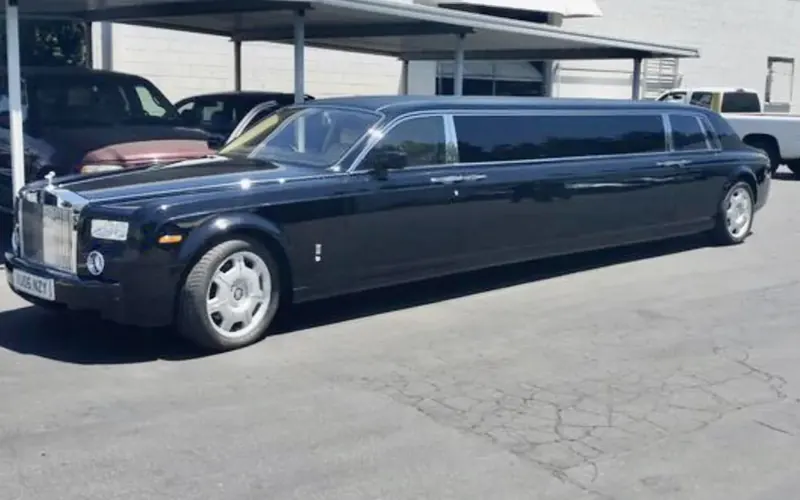
A limo fuel surcharge is a separate charge on your bill that covers the cost of fuel, usually added when fuel prices move enough that the rate the company quoted no longer covers the gas for your trip. It is not the same as gratuity, tolls or taxes, and it should be a visible line item rather than something folded quietly into the total.
Whether it shows up on your bill depends on the company and the trip. Some operators build fuel into their base rate and never list it separately. Others add a fuel surcharge on longer runs, larger vehicles or periods when fuel costs are climbing. The reliable way to avoid a surprise is to ask for an all-in written quote before you book, with every line item spelled out. This guide explains what a limo fuel surcharge is, how it is usually calculated, when it belongs on a bill, and how to ask the right questions.
Why Limo Companies Add a Fuel Surcharge
Fuel is one of the few costs a limo company cannot lock in. A sedan, SUV or Sprinter may sit in traffic on I-285 for an hour, idle outside Hartsfield-Jackson during a delayed flight, or run a long charter to Augusta and back. The fuel burned is real, and its price changes week to week.
A fuel surcharge is how some operators manage that swing without rewriting their base rates every month. Instead of raising the hourly rate for everyone, they keep the rate steady and add a small, separate line that reflects fuel cost at the time of the trip. When fuel prices settle, the surcharge usually shrinks or disappears.
It also keeps the bill honest. If fuel is a named line item, you can see what you are paying for. The problem is not the concept; the problem is when a charge appears that was never mentioned in the quote. That is why the written quote matters more than the label on the bill.
For chauffeured work, fuel is only part of the cost of a trip. Insurance, licensing, maintenance, a professional driver and the vehicle itself all factor in. A surcharge is a narrow adjustment for one input, not a catch-all fee.
How a Limo Fuel Surcharge Is Usually Worked Out
There is no single industry formula. Companies that use a limo fuel surcharge typically tie it to one of a few things: a flat amount per trip, a per-mile figure, a share of the base rate, or a per-hour charge on hourly bookings. Some apply it only to certain vehicles.
Larger vehicles tend to attract a surcharge more often because they burn more fuel. A Mercedes Sprinter on a full-day wine tour or a Mini Bus Shuttle moving a conference group will use noticeably more fuel than a Luxury Sedan on a short airport run. Distance matters too, so a long-distance trip to Macon or Augusta is a more likely candidate than a fifteen-minute hop from Midtown to Buckhead.
Timing can also play a role. If fuel prices spike in a given month, an operator may apply a temporary surcharge and remove it later. That is normal, provided it is disclosed.
What you should not see is a surcharge that appears for the first time on the final bill with no explanation. A charge you did not agree to is not a fuel surcharge; it is a billing problem. Ask for the itemized quote in writing and compare it to the invoice line by line.
| Trip type | Likely to carry a surcharge | Reason |
|---|---|---|
| Short airport transfer in a sedan | Rarely | Low fuel use, short distance |
| Hourly chauffeur booking | Sometimes | Fuel burned over the full reserved time |
| Long-distance run to Augusta or Macon | Often | Distance and highway fuel use |
| Large group shuttle or party bus | Often | Heavier vehicle, more fuel per mile |
| Multi-stop wine or brewery tour | Sometimes | Hours of driving between stops |
When a Fuel Surcharge Belongs on Your Bill
A fuel surcharge belongs on your bill when it was disclosed before you booked and it reflects a real cost of your specific trip. In practice, that means it showed up in your written quote, or the company told you in advance that one could apply and explained how it would be set.
It also belongs when the trip genuinely uses more fuel than a standard booking. A long charter, a large vehicle, or a full day of hourly service are all reasonable contexts. A short point-to-point ride in a sedan is a harder case to make, and many operators simply build fuel into the rate for those trips.
The cleanest arrangement is a flat, itemized quote where fuel is already included and the line items you see are the ones you pay. If a company prefers to list fuel separately, that is fine too, as long as the total is clear before you commit.
If you are booking a simple transfer, a point-to-point car service quote should be easy to read: base rate, gratuity, tolls and any fees, each on its own line. If fuel is one of those lines, it should be labeled as such.
When It Should Not Appear
A fuel surcharge should not appear if your written quote already stated a flat, all-in total and did not mention one. A quote is a commitment. Adding a new line at the end undermines the whole point of getting a quote in the first place.
It should not appear as a vague catch-all either. If a bill lists a single "fees" line with no breakdown and no explanation, ask what is inside it. Legitimate charges can be explained in a sentence.
Watch for a surcharge that duplicates something you are already paying. If the base rate is described as covering fuel, a separate fuel line is double counting. The same goes for a surcharge applied to a trip that was cancelled well within the company's cancellation window, or one applied retroactively after the fact.
Finally, a surcharge should never be a substitute for a tip. Gratuity goes to your chauffeur for the service. Fuel is a cost of the vehicle. They are different things and should be listed separately so you know where your money is going.
How to Ask for an All-In Written Quote
The single best defense against billing surprises is a written quote that lists every charge before you book. Ask for it directly and ask for the total. A professional operator will send it without hesitation.
Use these questions when you request your quote:
Ask for the total: Request one all-in number plus an itemized breakdown, not just an hourly rate.
Ask about fuel: Ask plainly whether a fuel surcharge applies to your trip and how it is set.
Ask what is separate: Confirm whether gratuity, tolls, parking and airport fees are included or listed separately.
Ask about changes: Find out what happens to the quote if your hours, stops or vehicle change.
Ask for it in writing: Keep the email or quote document so you can compare it to the final invoice.
Ask about long trips: For out-of-town runs, confirm whether distance or fuel is handled differently.
Fuel Surcharges on Different Kinds of Trips
Fuel surcharges come up most often on trips where fuel use is hard to predict. A corporate roadshow that runs between venues all week, a group transportation shuttle moving guests between hotels and a venue, or a long-distance charter all involve hours of driving that a simple transfer does not.
Airport work is usually the opposite. A run from Buckhead to Hartsfield-Jackson is short and predictable, so most operators fold fuel into the flat rate. If you are booking an ATL airport car service, ask whether the quote you receive is the total you will pay, and confirm how flight delays affect it.
Weddings and events booked months out are another category. Fuel prices at the time of booking may not match the week of the wedding. Some companies handle this by quoting an all-in price and absorbing the difference; others disclose that a surcharge may apply. Either approach can work, but you should know which one you are agreeing to.
For long-distance trips, ask specifically how fuel is handled. A run to Savannah or Blue Ridge is a different calculation than a crosstown ride, and the quote should reflect that clearly.
Reading the Rest of Your Limo Bill
A fuel surcharge is one line among several. Understanding the others makes the whole bill easier to check.
Base rate: The charge for the vehicle and chauffeur, usually quoted per hour or per trip.
Gratuity: The tip for your driver. It should be listed separately and clearly, whether included in the quote or added at the end.
Tolls: Charges for using toll roads. These vary by route and should reflect actual tolls.
Airport and venue fees: Charges some airports, venues or hotels assess for pickup and drop-off access.
Fuel surcharge: A separate line covering fuel cost, when the company uses one.
Wait time: Charges for time beyond a included grace period, common on airport pickups and event nights.
If any line is unclear, ask before you pay. A reputable operator will walk you through each charge. Pricing is quoted per trip, so the total you see should match the trip you booked.
Remember that pricing structures vary by company and by trip. This article is general information about how limo bills are put together, not a statement of any one company's rates. Always confirm the specifics in your own written quote.
Planning Ahead So Nothing Surprises You
The best time to sort out billing questions is before you book, not the morning of your event. Build a few minutes into your planning to read the quote carefully and ask about anything that is not obvious.
Book early for peak dates. Weddings, prom season, holiday parties and big game days fill the calendar, and a company with more lead time can often give you a firmer all-in number. A black car service booked well ahead is also easier to confirm on vehicle type, which affects fuel use.
Keep your quote and any emails about charges together. If a question comes up later, you have the record. If your plans change, tell the company as soon as you know so the quote can be adjusted rather than argued about afterward.
Finally, treat a clear breakdown as a good sign. A company that shows you its line items, including a limo fuel surcharge if one applies, is giving you the information you need to decide. That is what a professional quote looks like.
Frequently asked questions
Is a fuel surcharge the same as a tip?
No. A fuel surcharge covers the cost of fuel for your trip, while gratuity goes to your chauffeur for the service. They should be listed as separate lines on your bill so you can see exactly what each one is for.
Should a fuel surcharge be included in my quote?
Yes. Whether the company builds fuel into the base rate or lists it separately, you should know before you book. Ask for an all-in written quote with every charge itemized, and keep it so you can compare it to the final invoice.
Why do some limo companies charge a fuel surcharge and others do not?
It comes down to how each company structures its pricing. Some fold fuel into the base rate and never list it separately. Others keep rates steady and add a separate line when fuel costs rise. Both approaches can be fair as long as the charge is disclosed up front.
Does a fuel surcharge apply to short airport trips?
Usually not. Short transfers in a sedan or SUV use little fuel, so most operators include fuel in the flat rate. Surcharges are more common on long-distance runs, full-day charters and larger vehicles that burn more fuel.
Can a limo company add a fuel surcharge after I book?
Only if it was disclosed in your quote or explained in advance. A charge that appears for the first time on the final bill, with no prior mention, is a billing problem worth questioning. Ask for the itemized breakdown and compare it to what you agreed to.
How do I compare quotes from different limo companies?
Compare totals, not hourly rates. Ask each company for an all-in written quote that lists base rate, gratuity, tolls, fees and any fuel surcharge separately. That way you are comparing the real cost of the same trip.
Does the size of the vehicle affect the surcharge?
It can. Larger vehicles such as a Sprinter, mini bus or party bus use more fuel per mile than a sedan, so a surcharge is more likely on those bookings. Confirm the vehicle and any fuel line when you request your quote.