Roadshow transportation is the chauffeured service that moves a team, investors or executives through a series of meetings and events in one day or across several days. In Atlanta, that usually means a tight schedule across Downtown, Midtown, Buckhead, Perimeter Center and maybe a suburb or two, with no room for parking mistakes or late arrivals.
This guide explains how the service works in Atlanta, what to decide before you request quotes, which vehicles fit which group sizes, and how to build a route that holds up when a meeting runs long. It is written for executive assistants, event planners and roadshow producers who need the day to run on time.
What Roadshow Transportation Actually Involves
A roadshow is a series of stops tied to a schedule: investor meetings, client visits, site tours, media appointments or a sales blitz. Roadshow transportation is the chauffeured service that links those stops so your group travels together, arrives together and does not lose time to parking or pickup confusion.
It is different from booking a separate car for each leg. With a roadshow, one provider and usually one chauffeur stay with the group for the day or the week. The chauffeur learns the order of stops, knows where to wait, and can adjust when a meeting runs over. That continuity is the value.
In Atlanta, roadshows often cross several business districts in a single day. A morning in Downtown near the Georgia World Congress Center, lunch in Midtown, an afternoon in Buckhead and a dinner in Sandy Springs is a realistic but demanding schedule. Most of the planning work is about making that geography hold together.
Single-day roadshow: Four to six stops across one metro area, usually with a working lunch built in.
Multi-day roadshow: Two to five days of meetings with hotel transfers, evening dinners and airport runs at each end.
Investor roadshow: Tight, timed meetings where punctuality matters more than comfort, often with a small senior group.
Sales or partner roadshow: Larger teams visiting clients, sometimes with demo equipment or printed materials.
Site tour roadshow: Property or project visits that may include stops outside the city center.
Why Atlanta Rewards Careful Route Planning
Atlanta is a car city with a spread-out business map. The districts your roadshow will likely touch are connected by a small number of highways, and those highways carry heavy commuter traffic. I-75, I-85 and I-285 are the main arteries, with the Downtown Connector carrying I-75 and I-85 through the center of the city.
The practical result is that distance alone does not tell you how long a leg will take. A short hop from Midtown to Buckhead can be quick outside rush hour and much slower during it. A trip from Buckhead to Perimeter Center or Alpharetta looks simple on a map but depends heavily on the time of day.
Build your itinerary around districts rather than scattered addresses. Group Downtown and Midtown stops together, then Buckhead, then the northern suburbs. Avoid scheduling a meeting in Marietta immediately after one in Decatur unless you have a generous gap. Your chauffeur can suggest sequencing, but the planner owns the schedule.
| From | To | Typical drive time |
|---|---|---|
| Downtown | Midtown | About 10–20 minutes |
| Midtown | Buckhead | About 15–25 minutes |
| Buckhead | Sandy Springs / Perimeter | About 15–25 minutes |
| Downtown | ATL Airport | About 20–30 minutes |
| Buckhead | Alpharetta | About 30–45 minutes |
| Midtown | Marietta | About 30–45 minutes |
Choosing Vehicles for Your Roadshow Group
Vehicle choice comes down to three things: how many people are traveling, how much luggage or material they carry, and whether the group needs to work in the car. A roadshow with one presenter and two support staff has different needs than a delegation of fifteen.
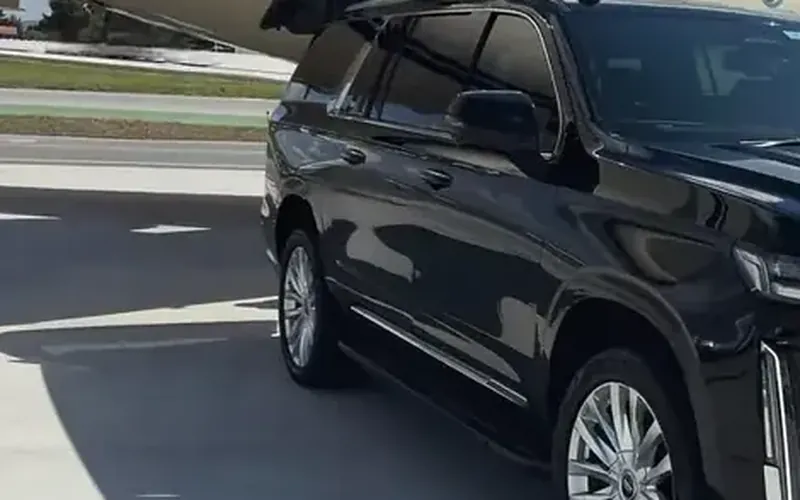
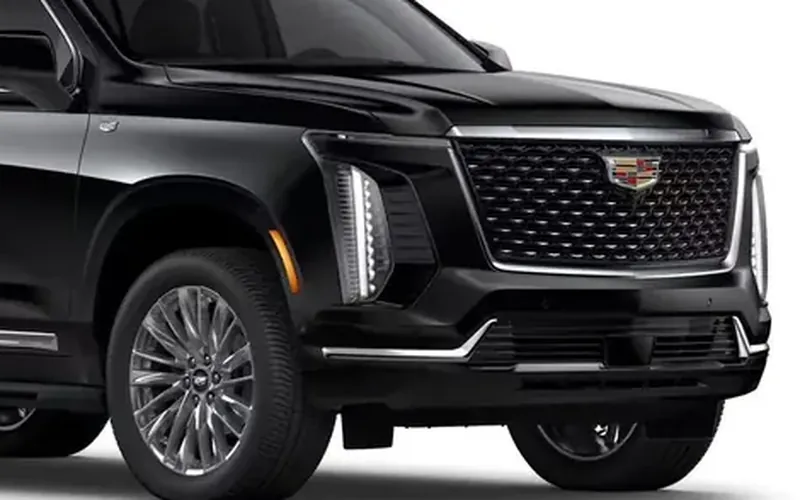
For one to three travelers, a Luxury Sedan is usually the right fit. It handles airport runs and city meetings comfortably. For a small team with luggage, an Executive SUV gives more room and seats up to six.
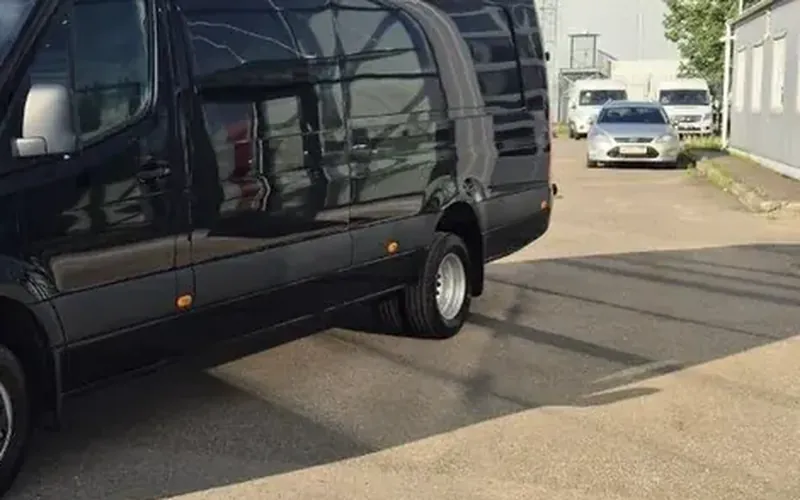
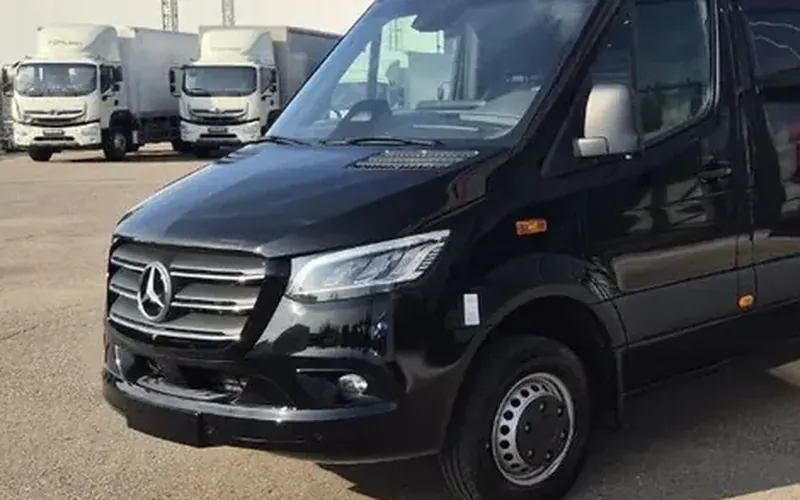
Larger roadshows often use a Mercedes Sprinter Limo, which seats around ten to fourteen and lets a team travel together and talk between stops. For bigger delegations or a roadshow with support staff and guests, a Mini Bus Shuttle keeps everyone on one schedule. If your roadshow includes an evening event, a Stretch Limousine can serve as both transport and a setting for the group.
Confirm the exact vehicle on your quote. Seat counts vary by configuration, and luggage space shrinks when every seat is filled.
Building a Roadshow Itinerary That Holds Up
A roadshow itinerary is a schedule with travel built in, not a list of meetings with cars squeezed between them. Start with fixed appointments and work outward. Then add realistic travel time and a buffer before each meeting.
Share the full itinerary with your transportation provider when you book. Include addresses, contact names, arrival times and expected meeting lengths. The chauffeur can then plan parking, know where to wait and be ready to move when your group comes out.
Plan for the meeting that runs long. If your schedule has no slack, one overrun will cascade through the day. A fifteen- to twenty-minute buffer between stops is usually enough to absorb a short delay without losing the next appointment.
Also decide how the group will handle meals and breaks. A day that starts at 8 a.m. and ends with a dinner needs a lunch stop and a short reset. Your chauffeur can recommend places near your route, but booking ahead avoids waiting.
Start with fixed times: Anchor the day around appointments that cannot move.
Add travel time by district: Group stops by neighborhood to reduce highway time.
Build in buffers: Leave a cushion before each meeting, not after.
Share the full plan: Give addresses, contacts and timing to your provider in advance.
Plan meals and breaks: A working lunch or a short stop keeps the group fresh.
Name a point of contact: One person should be reachable by the chauffeur all day.
Airport Arrivals and Departures Around a Roadshow
Most roadshows begin and end at an airport. Hartsfield-Jackson Atlanta International Airport (ATL) is the main gateway, and it is busy at almost every hour. Build extra time into your arrival plan, especially if your group lands during a peak period and needs to reach a meeting the same day.
For arrivals, book a car service from ATL Airport and give your flight number. The provider can track the flight and adjust the pickup if it lands early or late. For departures, a car service to ATL Airport should be timed to your airline's recommended check-in window, not just the flight time.
Some roadshows use the private airports instead. DeKalb-Peachtree (PDK), Fulton County–Brown Field (FTY), Gwinnett–Briscoe Field (LZU), Cobb County–McCollum Field (RYY) and Atlanta Regional–Falcon Field (FFC) can save time for groups arriving by private aircraft. Each has its own access and pickup arrangements, so confirm details with your provider and the airport.
If your roadshow includes a stop in Augusta for the Masters or another event, plan that leg separately. Long-distance rides are quoted per trip and should be booked early.
Pricing, Quotes and What to Confirm Before You Book
Roadshow transportation is usually priced as a flat, itemized quote based on the vehicle, the hours or days of service, the date and the itinerary. Gratuity, tolls and fees should be listed separately so you can see what you are paying for. Pricing is quoted per trip, and the final number depends on your specific plan.
Ask for the quote in writing and compare more than the total. Check what the hourly minimum is, how waiting time is billed and whether the chauffeur stays with the vehicle between stops. For multi-day trips, confirm whether the same chauffeur is assigned each day and how overnight gaps are handled.
Also ask about changes. Roadshows often shift, and you want to know how the provider handles added stops, extended hours or a cancelled leg. A clear cancellation and change policy protects your budget.
For ongoing roadshow programs, a corporate account can simplify booking and billing. The corporate transportation team can set up a process that fits your company's travel policy.
| Item | What to ask |
|---|---|
| Vehicle | Exact make and model, seat count, luggage capacity |
| Hours | Hourly minimum, overtime rate, how waiting time is billed |
| Chauffeur | Same driver all day or rotating, contact method |
| Fees | Gratuity, tolls, parking and any other charges listed separately |
| Changes | Policy for added stops, extended hours and cancellations |
| Multi-day | Overnight handling, vehicle storage and daily start times |
Common Roadshow Mistakes and How to Avoid Them
The most common mistake is treating the car as an afterthought. When transport is booked at the last minute, the provider may not have the right vehicle or a chauffeur who knows the route. Book as soon as your meeting schedule is firm.
Another mistake is overpacking the day. A schedule with six stops across four districts will feel rushed and leave no room for conversation or follow-up. Fewer, well-planned stops usually produce better meetings.
Pickup logistics cause avoidable delays. Large office buildings and hotels often have specific loading zones, and some require the chauffeur to check in. Share entrance details and a mobile contact for each stop. If your group is at a conference center or arena, confirm the designated rideshare and pick-up areas in advance.
Finally, do not assume every traveler will be ready at the same time. Build a five-minute gathering window before each departure. A chauffeur who is told 'we leave at 2:15' can keep the group on schedule; one who is told 'sometime after 2' cannot.
Book early: Reserve vehicles once the meeting schedule is set.
Limit daily stops: Fewer stops with buffers beat a packed, stressful day.
Share entrance details: Building loading zones and check-in rules matter.
Set a departure time: Give the group a clear leave time, not a range.
Keep one contact: A single point person streamlines communication.
When to Use a Chauffeured Roadshow Provider
A chauffeured roadshow makes the most sense when your group needs to stay together, when the schedule is tight, or when your travelers are visiting from out of town and do not know the city. It also helps when the day includes evening events and you want one plan for the whole day.
If your roadshow includes a large delegation, a conference or a client event, group transportation can move everyone without a convoy of separate cars. For roadshows built around a stadium event or a game, dedicated event transportation keeps the group together before and after.
For roadshows that mix business and hospitality, a brewery or wine tour can serve as an evening break. The key is to plan the whole day as one transportation plan rather than booking each piece separately.
Frequently asked questions
What is roadshow transportation?
It is a chauffeured service that moves a group through a series of scheduled stops, usually over one day or several days. It differs from a single transfer because the vehicle and chauffeur stay with the group and follow the itinerary.
How far in advance should I book a roadshow vehicle in Atlanta?
Book as soon as your meeting schedule is firm. For multi-day roadshows or large groups, earlier is better because vehicle availability and chauffeur assignments are limited. If your dates are flexible, ask about less busy periods.
Can I book a roadshow vehicle by the hour?
Yes. Most providers quote by the hour or by the day, with a minimum. Your quote should state the hourly rate, the minimum and how overtime and waiting time are billed.
What vehicle is best for a roadshow group?
It depends on group size and luggage. Sedans and SUVs suit small teams, Sprinters fit around ten to fourteen passengers, and mini buses handle larger delegations. Confirm the exact vehicle and seat count on your quote.
Can the chauffeur wait between meetings?
Yes, waiting between stops is normal for this kind of service. Confirm in advance how waiting time is billed and whether the chauffeur stays with the vehicle or returns at a set time.
Do you provide roadshow transportation to and from ATL Airport?
Yes. Airport pickups and drop-offs can be added to a roadshow plan. Provide flight numbers so the pickup can be tracked, and allow extra time for ATL's size and traffic.
How do I compare roadshow transportation quotes?
Compare the full quote, not just the total. Check the vehicle, hours, minimums, gratuity, tolls, fees and the change policy. Ask each provider to itemize so you can see what is included.