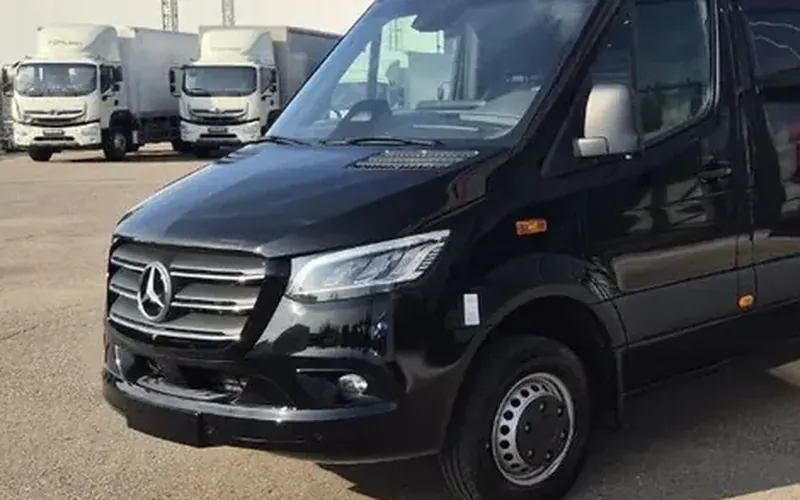
An employee shuttle service is a scheduled, chauffeured vehicle route that moves your staff between a parking area, a transit station, an office campus or a job site. In Atlanta, companies use them most often to solve three problems: scarce parking, long commutes from places MARTA does not reach, and the need to move teams between buildings or sites during the day.
This guide explains how these programs are structured, what actually drives the cost, and what benefits companies usually see. It also covers how to plan routes, which vehicles fit which headcount, and how to compare written quotes so you can budget with confidence.
What an Employee Shuttle Service Actually Is
An employee shuttle service is a contracted, chauffeured transportation program built around your company's schedule. It is not a one-off car ride and it is not a public bus route. You define the stops, the times and who is allowed to ride, and a transportation provider supplies the vehicles and professional drivers.
In metro Atlanta, these programs usually fall into one of a few patterns. A commuter shuttle runs from a remote lot, a MARTA station or a park-and-ride to your office. A campus shuttle loops between buildings in an office park or business district. A site shuttle moves crews between a main facility and a satellite location. Some companies combine all three into one contract.
The key difference from a rideshare or a taxi is predictability. Riders know the vehicle will be there at the same time each day, drivers learn the route and the passengers, and your facilities or HR team has a single point of contact for scheduling changes.
Commuter shuttle: fixed morning and evening runs between a parking area or transit station and your office.
Campus loop: continuous or timed circulation between buildings in an office park or mixed-use district.
Site transfer: scheduled runs between a main facility, a warehouse or a job site.
Event and overflow shuttle: extra capacity for all-hands meetings, training days or company events.
Why Atlanta Companies Start Shuttle Programs
Atlanta's growth has outpaced parking in many employment centers. Buckhead, Midtown, Perimeter Center and the Ga. 400 corridor all have dense office clusters where a dedicated parking space is expensive or simply unavailable. A shuttle lets a company lease or share a cheaper remote lot and move people the last few miles.
Commute patterns matter too. Many employees live in Cobb, Gwinnett, Cherokee or Clayton County and drive in on I-75, I-85, I-285 or Georgia 400. Traffic on those corridors is unpredictable, and a scheduled shuttle from a park-and-ride can take the stress out of the final leg. For companies near a MARTA station, a shuttle can bridge the gap between the station and a building that is a half-mile or more away.
There is also a retention angle. Employees who do not have to hunt for parking, pay for it themselves or walk a long distance in the rain tend to have a better start and end to the day. Companies with shift work, such as hospitals, labs and distribution centers, often find a shuttle is the only reliable way to cover late and early shifts.
The Benefits Beyond Parking
Parking relief is the headline, but it is rarely the only benefit. When a shuttle runs on a reliable schedule, employees arrive at a consistent time, which makes morning meetings and shift handoffs easier to plan. Drivers who know the route also reduce the small delays that come from unfamiliar drivers circling a campus.
Recruiting and retention are real considerations in a competitive Atlanta labor market. A documented commute option can be part of a benefits package, particularly for roles with early start times or locations that are not well served by transit. It also helps employees who do not drive or who share a household vehicle.
There are operational benefits as well. A shuttle can reduce the number of vehicles entering a congested campus, which eases drop-off congestion and security checkpoints. For companies with sustainability goals, moving several people in one vehicle is a straightforward way to reduce single-occupancy trips. And for teams that travel between sites, a scheduled shuttle is often faster and more predictable than having everyone drive separately.
What Drives the Cost of a Corporate Shuttle Program
Pricing for an employee shuttle service is quoted per trip, not published as a flat rate, because every program is different. The main cost drivers are the number of vehicles, the hours they are in service, the length of the route and the days of the week you need coverage. A single morning and evening loop costs far less than all-day circulation.
Vehicle size matters. A larger vehicle costs more per hour than a smaller one, but it may be cheaper per rider if it eliminates a second run. Matching capacity to your peak load is the single biggest lever on cost. Running a large shuttle half empty is the most common way companies overspend.
Other factors include waiting time between runs, whether the driver stays with the vehicle or the vehicle leaves and returns, minimum daily hours, and any special requirements such as luggage handling or accessibility needs. Gratuity, tolls and fees are typically listed separately on the quote, so you can see exactly what you are paying for.
Distance and drive time play a role too. A route that crosses a congested corridor during peak hours takes longer than the map suggests, and the schedule has to account for that. Providers usually build realistic drive times into the quote rather than promising an optimistic one.
| Program type | Usual peak riders | Vehicle to ask about |
|---|---|---|
| Executive carpool to a remote lot | Up to 6 | Executive SUV |
| Small office park loop | 10 to 14 | Mercedes Sprinter |
| Mid-size campus or site transfer | 20 to 30 | Mini Bus Shuttle |
| Large campus, shift change or event overflow | 20 to 40 | Party Bus or multiple vehicles |
| Airport runs for visiting teams | Up to 14 | Mercedes Sprinter |
Planning Routes and Schedules That Hold Up
A shuttle schedule is only as good as its route. Start with where your employees actually live and park, not where you assume they do. A short survey or a look at ZIP codes in HR records will tell you whether a single park-and-ride stop, two stops, or a transit-station pickup makes the most sense.
Build in buffer time. A route that is tight on a good day will fall apart on a rainy Monday or when a train is delayed. Most programs work best with a few minutes of slack at each stop and a clear rule for how long the driver waits.
Decide how riders sign up. Some companies use a simple badge check, others use a reservation app or a daily manifest. Whatever you choose, make the rule visible and consistent so drivers are not put in the position of turning people away.
Plan for the exceptions. What happens on a company holiday, a half-day, or a day when a major event near your office closes streets? Having a written policy for schedule changes saves confusion later.
Set a realistic peak load
Count the riders on your busiest day, not the average. If your peak is 22 people, a 20-passenger vehicle will leave people behind; a 30-passenger mini bus gives you room to grow.
Choose stops with safe waiting areas
A park-and-ride lot or a MARTA station with lighting and shelter is better than a random curb. Riders should not have to stand on a shoulder or in an unlit lot.
Publish the schedule in one place
Put the route, times and rider rules on an intranet page or a shared calendar. One source of truth prevents the daily 'is the shuttle running today' email thread.
Matching Vehicles to Your Headcount
The fleet you choose should follow from the schedule, not the other way around. For a small leadership carpool or a short airport run for visiting colleagues, a Luxury Sedan or an Executive SUV covers it comfortably. These are also useful for executives who need a quiet, professional ride rather than a group shuttle.
For a typical office park loop or a commuter run with a dozen riders, a Mercedes Sprinter is a common choice. It handles a group with luggage, has a comfortable interior and is easy to board. For a mid-size campus with 20 to 30 riders per run, a Mini Bus Shuttle is the practical option.
Large campuses, shift changes and company events may call for a Party Bus or several vehicles running the same route in sequence. Seat counts are typical, and the exact vehicle is confirmed on your quote, so tell the provider your peak number and let them recommend the fit. If your program also covers airport transfers for visiting teams or new hires, the same provider can often handle both, and you can read more about airport shuttle service options.
How to Compare Shuttle Quotes
Ask every provider for the same thing: a written, itemized quote based on your route, schedule and peak headcount. A quote that lists vehicle, hours, gratuity, tolls and fees separately is easier to compare than a single number, and it protects you from surprises later.
Look at what is included in the hourly rate. Does the driver stay with the vehicle during downtime, or does the vehicle leave and return? Is fuel included? Are there minimum daily hours, and what happens if your schedule runs long? These details change the real cost more than the headline rate.
Ask about backup. If a vehicle breaks down or a driver is out, what happens? A provider with a real fleet and a dispatcher can usually substitute a vehicle quickly. Also ask who you call when something goes wrong at 7 a.m.
Finally, ask for references from similar programs. A provider that has run a commuter loop in Atlanta traffic understands the timing issues better than one that has only done one-off rides. For broader corporate needs, corporate transportation programs often bundle shuttle service with executive car service on one account.
Written and itemized: every line visible, including gratuity, tolls and fees.
Same assumptions: give each provider identical route, hours and headcount details.
Backup plan: ask how substitutions and breakdowns are handled.
Single point of contact: confirm who dispatches and who answers after-hours calls.
References: ask for programs similar in size and schedule to yours.
Rider Policies, Safety and the Details That Matter
A short rider policy prevents most problems. It should cover who may ride, whether guests are allowed, the wait-time rule, and behavior expectations. Keep it simple and post it where riders will see it.
Safety is the provider's job, but you should confirm the basics. Ask how drivers are screened, how vehicles are maintained and what the provider's insurance covers. In Georgia, for-hire passenger carriers are regulated, and you can ask a provider to confirm its operating authority. This is general information, not legal advice, so confirm current requirements with the state authority that regulates passenger carriers.
If your program involves alcohol, such as a company celebration shuttle, set clear rules in advance. Open containers in a chauffeured vehicle are a legal question in Georgia, and the provider's policy should be put in writing. This is general information, not legal advice; confirm current rules with the appropriate authority.
Accessibility deserves a conversation too. If any rider uses a wheelchair or has mobility needs, raise it before booking so the right vehicle is assigned.
Getting Started With a Pilot Program
You do not have to launch a full program on day one. Many Atlanta companies start with a pilot: one route, one morning and evening run, a defined group of riders and a set review date. A pilot gives you real data on ridership and timing before you commit to a larger contract.
Pick a route that solves an obvious problem, such as a remote lot that is already full or a MARTA station that is a long walk from your building. Announce it clearly, track who rides, and survey riders after a few weeks.
When you are ready to price it, request a written quote with your route, times, days and peak headcount. If your program also needs to move larger groups for meetings or events, look at group transportation options that can scale up for a day. A provider that runs both can often simplify your billing and scheduling.
Common Mistakes to Avoid
The most common mistake is sizing the vehicle to the average rather than the peak. The second is building a schedule with no buffer, which makes the shuttle late on exactly the days it matters most.
Another is treating the shuttle as a set-and-forget contract. Ridership changes with hiring, hybrid schedules and office moves. Review the route and the vehicle size at least once a year, or whenever your headcount shifts significantly.
Finally, do not skip the rider communication. A great shuttle with a confusing schedule will lose riders. Publish the route, the times and the rules in one place, and give riders a way to report problems.
Frequently asked questions
How much does an employee shuttle service cost in Atlanta?
Pricing is quoted per trip or per vehicle-hour based on your route, schedule, days of the week and peak headcount. Gratuity, tolls and fees are itemized separately on the quote. Request a written quote with your specific details so you can compare providers on the same assumptions.
How many employees do we need to justify a shuttle?
There is no fixed number, but a program usually makes sense when parking is scarce or expensive, when a group of employees shares a commute pattern, or when shift times make transit impractical. A pilot with one route and a defined rider group is a low-risk way to test demand.
Can a shuttle pick up from a MARTA station?
Yes. Many Atlanta programs use a MARTA station or a nearby park-and-ride as the pickup point and run a short loop to the office. Confirm that the station or lot allows passenger pickup and choose a well-lit waiting area.
What size vehicle should we book?
Match the vehicle to your busiest run, not the average. A Mercedes Sprinter fits about 10 to 14 riders, a Mini Bus Shuttle about 20 to 30, and a Party Bus about 20 to 40. The exact vehicle is confirmed on your quote.
Do we need a contract or can we book as needed?
Both are possible. Recurring programs are usually set up as a contract with a defined schedule, while overflow and event shuttles can be booked per trip. Ask the provider which structure fits your volume.
What happens if the shuttle breaks down?
Ask about backup before you sign. A provider with a dispatcher and a real fleet can usually substitute a vehicle quickly. Get the after-hours contact and the substitution policy in writing.
Is alcohol allowed on a company shuttle?
Rules vary by provider and by the purpose of the trip. Put the policy in writing before the event. This is general information, not legal advice; confirm current Georgia rules with the appropriate authority.