Duty of care travel is the legal and ethical obligation a company has to keep employees safe while they are traveling for work. It covers everything from a late-night airport pickup to a multi-day client visit, and it increasingly shapes how companies in Atlanta move people on the ground.
Chauffeured ground transport is one of the simplest ways to meet that obligation. Instead of leaving a tired employee to navigate an unfamiliar route after a flight, a company books a professional driver in a known vehicle, with a documented trip and a single point of contact if something changes.
What Duty of Care Travel Actually Means
Duty of care travel is the principle that an employer should take reasonable steps to protect employees from harm while they are on company business. It is not a single law with a fixed checklist. It draws on employment obligations, health and safety expectations, and the general standard of what a reasonable company would do.
In practice, that means thinking ahead about foreseeable risks. A flight that lands after midnight, a downtown conference that runs late, a client dinner where alcohol is served, or a route through an area the employee does not know are all ordinary situations with ordinary risks attached.
Ground transport sits right in the middle of that list. Employees are most exposed between the airport, the hotel, the office and the venue, often in cities they do not know and often while tired. A chauffeured vehicle turns that stretch of the trip into something the company controls rather than something it hopes goes well.
This article is general information, not legal advice. Employment and safety rules vary, so confirm your specific obligations with your legal or HR team.
Flights and airports: late arrivals, missed connections, unfamiliar terminals and long waits.
Road travel: unknown routes, night driving, weather, and parking in areas the employee does not know.
Fatigue: a full workday followed by a two-hour drive is a recognized risk, not a minor inconvenience.
Alcohol: client dinners and events where employees may drink and then need to get back.
Lone travel: a single employee, often a junior one, managing a city alone after dark.
Where the Risks Show Up on a Business Trip
Most duty of care conversations start with flights and hotels, then stop. The gap is usually the ground segment, which is where a surprising share of the practical risk lives.
Consider a typical Atlanta trip. An employee flies into Hartsfield-Jackson, collects a bag, and needs to reach a hotel in Midtown or a meeting in Buckhead. If they are driving themselves, they are now tired, in traffic on the Downtown Connector, and looking for parking they have never used. If they are using a chauffeured car, that entire sequence is handled by someone who does it every day.
The same logic applies to a plant visit in Marietta, a conference at the Georgia World Congress Center, or a client dinner in Sandy Springs. Each involves a short trip that feels routine to a local and carries real friction for a visitor.
Companies that treat ground transport as part of the travel policy, not an afterthought, close that gap. The employee arrives rested, the company knows where they are, and there is a record of the trip if anything needs to be reviewed later.
The late-night arrival problem
Flights into ATL often land after the rental counters slow down and the terminal empties. A pre-booked car with flight tracking means the driver adjusts to a delay and the employee walks out to a known vehicle instead of improvising at the curb.
The client dinner problem
Business dinners frequently involve alcohol, and employees should never feel pressure to drive afterward. A chauffeur on standby for the evening removes that decision entirely and keeps the evening on schedule.
How Chauffeured Ground Transport Reduces Risk
Chauffeured ground transport does not eliminate risk, but it removes several categories of it at once. The most obvious is the driving itself: a professional driver handles the route, the traffic, the parking and the navigation, which is exactly the part a visiting employee is least equipped to manage.
The second is vehicle and driver vetting. A reputable provider maintains its vehicles, insures them for commercial passenger use, and screens drivers before they ever carry a client. That is a meaningful difference from an employee hailing a stranger in an unmarked car.
The third is accountability. With a booked trip, there is a name, a time, a vehicle and a dispatch number. If a passenger does not arrive, someone notices. That single feature is often what convinces risk and HR teams to formalize ground transport in policy.
For companies that run frequent trips, a corporate transportation program turns those one-off decisions into a repeatable process with consistent standards.
Vetted drivers: screened before they carry passengers, rather than assigned at random.
Insured, maintained vehicles: commercial coverage and routine service, not a personal car.
Flight tracking: pickup times adjust to delays instead of leaving someone stranded.
A dispatch contact: a real person to call when plans change mid-trip.
Trip records: a documented pickup and drop-off for expense and safety review.
Building Ground Transport Into Your Travel Policy
A duty of care travel policy works best when it is short enough that people actually read it. The ground transport section can be a few clear lines: when chauffeured cars are required, when they are optional, and who approves the booking.
Most companies land on a tiered approach. Executives and clients get a car by default. Late-night arrivals and trips to unfamiliar areas are covered. Team travel to conferences uses shared vehicles. Local employees driving their own cars to a nearby office is left alone.
The policy should also say who books, how it is paid for, and what to do when plans change. If an employee does not know whether they are allowed to book a car after a delayed flight, they will not book one, and the policy stops working.
Publish the policy where travelers will see it, mention it in onboarding, and review it once a year. A policy that names approved providers and a booking process is easier to follow and easier to explain if a question ever comes up.
What to put in writing
Cover the situations where a car is expected, the approval path, the payment method, and the contact for changes. Keep it to one page and link to the booking instructions.
Who owns it
Travel policy usually sits with HR, finance or operations. Whoever owns it should also own the provider relationship, so standards do not drift between departments.
Choosing a Provider That Supports Duty of Care
Not every car service is built for corporate work. The questions that matter are about vetting, insurance, communication and consistency, not about how the vehicle looks in a photo.
Ask how drivers are screened and what training they receive. Ask about commercial insurance and vehicle maintenance. Ask what happens when a flight is delayed, when a meeting runs long, or when a passenger needs to change a drop-off mid-trip.
Ask too about the booking process. A provider that quotes a flat, itemized price before the trip, with gratuity, tolls and fees listed separately, is easier to budget and easier to approve. A provider that tracks flights and staffs a dispatch line at any hour is easier to rely on.
Finally, ask about consistency. Companies with recurring travel want the same standard in Buckhead on a Tuesday as at the airport on a Sunday night. That comes from a provider with its own chauffeurs and a clear service standard, not a marketplace that assigns whoever is available.
| Question | Why it matters |
|---|---|
| How are drivers screened and trained? | Confirms passengers are not riding with an unvetted stranger |
| What insurance covers the vehicle and passengers? | Establishes who is responsible if something goes wrong |
| How are flight delays handled? | Prevents stranded employees after a long day of travel |
| Is there a dispatch line at any hour? | Gives travelers a real contact when plans change |
| How is pricing quoted? | Supports clean approvals and expense reporting |
| Can trips be reported by department or traveler? | Makes policy review and cost tracking possible |
Matching the Vehicle to the Trip
Duty of care is also about fit. Putting four colleagues with luggage into a sedan is uncomfortable and impractical; sending one executive in a party bus is wasteful. The right vehicle depends on who is traveling, how far, and what they are carrying.
For a single traveler on an airport run or a client dinner, a luxury sedan covers the trip quietly and efficiently. For a small team with bags, an executive SUV handles the luggage without a second vehicle.
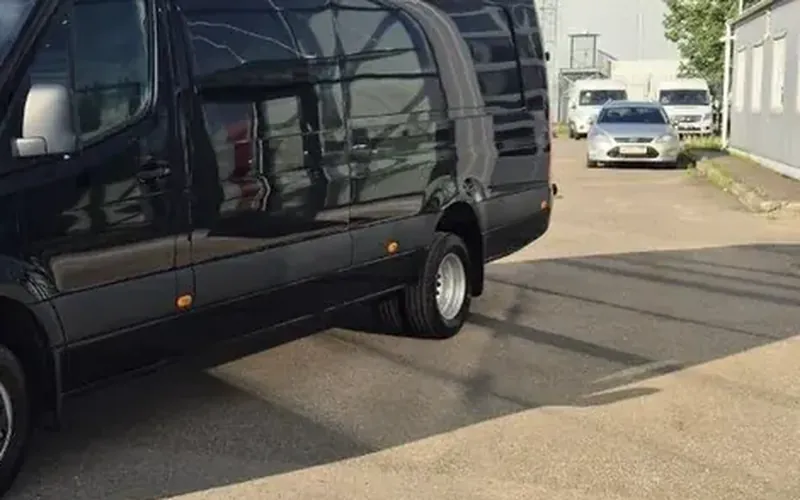
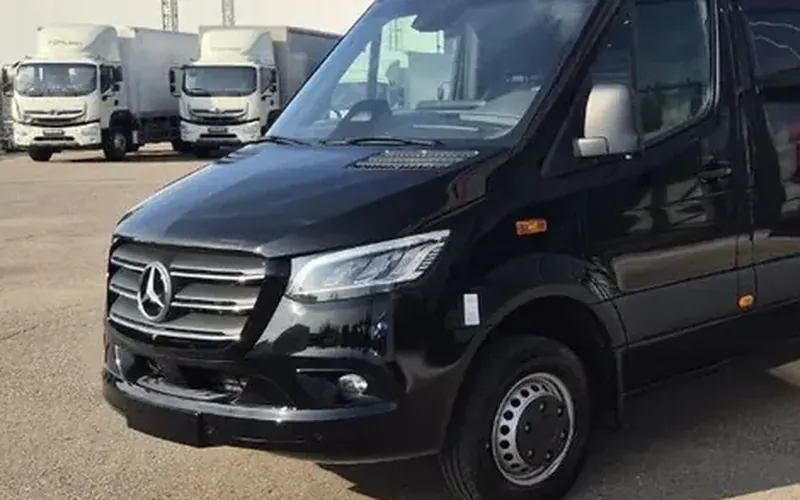
Larger groups change the math. A Mercedes Sprinter keeps a project team together on the way to a site visit or a conference, and a mini bus shuttle moves a full delegation between a hotel and a venue without splitting the group across cars.
Keeping a group together is itself a duty of care decision. It is easier to account for eight people in one vehicle with one driver than eight people scattered across separate cars, and it keeps the group on the same schedule.
One traveler, short trip: luxury sedan for airport runs, meetings and client dinners.
Small team with luggage: executive SUV for up to six passengers and their bags.
Project team or delegation: Sprinter for up to about fourteen passengers in one vehicle.
Conference or guest group: mini bus shuttle for larger moves between hotel and venue.
The Atlanta Angle: Why Ground Transport Matters Here
Atlanta adds its own wrinkles to business travel. Hartsfield-Jackson is one of the busiest airports in the country, and the drive from the terminal into Midtown, Buckhead or Downtown can vary widely depending on the time of day. A visitor guessing at that drive is guessing at their schedule too.
The city is also spread out. A meeting in Alpharetta, a dinner in Decatur and a hotel in Sandy Springs can turn into a long day of driving on highways the visitor does not know. Add summer heat, frequent afternoon storms and heavy commuter traffic, and self-driving becomes a real fatigue risk rather than a convenience.
Companies with offices or clients across the metro often pair air travel with a car booked for the whole day. That is where an hourly chauffeur earns its place: the vehicle waits, the schedule flexes, and the employee is not re-booking a ride between every stop.
For teams flying into the private airports, the same logic applies at a smaller scale. A car waiting at PDK or Fulton County saves the drive and the parking, and keeps the day moving.
When the airport is the whole trip
Some visits are a morning meeting and a flight home. A car that waits through the meeting and returns to the terminal turns a stressful day trip into a manageable one.
When the trip spans the metro
Multi-stop days across Atlanta are where hourly service beats point-to-point bookings. One driver, one vehicle, one schedule for the day.
Cost, Approvals and the Case to Finance
Ground transport is a line item, and finance teams will ask about it. The honest answer is that chauffeured cars cost more than a single rideshare trip and less than the alternatives when something goes wrong: a missed flight, a damaged rental, an accident, or a client meeting that starts badly because the visitor arrived flustered.
The way to make the case is to frame it as risk management rather than comfort. Companies that already carry travel insurance, book refundable fares and put executives in business class are making the same trade: paying a known amount to reduce an unknown one.
Pricing should be quoted per trip, as one flat, itemized figure with gratuity, tolls and fees listed separately. That structure makes approvals simple and keeps expense reports clean, which matters more than a headline rate that changes at billing.
Start with the trips that carry the most risk, such as late-night arrivals and client-facing visits, then expand if the program proves useful. A written quote for your actual routes is the fastest way to see what a program would cost.
| Factor | Effect on price |
|---|---|
| Vehicle type and size | Larger vehicles cost more per hour than a sedan |
| Hours or distance | Hourly service suits multi-stop days; point-to-point suits single runs |
| Time and date | Late nights, weekends and peak event dates carry different rates |
| Waiting time | Standby during a meeting is billed, and worth planning for |
| Tolls, fees and gratuity | Itemized separately so the quote is transparent |
Making It Work Day to Day
A ground transport program only supports duty of care if travelers actually use it. That comes down to removing friction: a booking process that takes minutes, a clear approval path, and a dispatch contact people trust.
Give travelers one place to book and one number to call. Make sure the policy says what to do when a flight is delayed or a meeting runs long, because those are the moments when an employee is most likely to improvise.
Review the program periodically. Look at which trips were booked, which were not, and where travelers ran into problems. Adjust the policy based on what actually happened rather than what was assumed at the start.
Duty of care is not a document. It is the set of habits a company builds around travel, and ground transport is one of the easiest habits to put in place.
Publish the policy: one page, clear rules, easy to find.
Simplify booking: one process, one contact, minimal steps.
Plan for changes: state what travelers should do when plans shift.
Review the data: check trips and issues once or twice a year.
Keep the standard: use the same provider so quality does not vary by department.
Getting Started With a Written Quote
If your company is building or revisiting a duty of care travel policy, the practical next step is a conversation about your actual trips. Which airports, which hotels, which recurring meetings, and which employees travel most.
From there, a provider can quote your real routes as flat, itemized prices before you book, with gratuity, tolls and fees listed separately. That gives you a number to take to finance and a standard to put in the policy.
Bookings can be made at any hour, and every trip includes a professional chauffeur. For companies that want the details first, request a written quote and compare it against what your teams are doing now.
Frequently asked questions
What does duty of care mean for business travel?
It means an employer takes reasonable steps to protect employees from harm while they travel for work. That includes foreseeable risks like late-night arrivals, unfamiliar roads, fatigue and alcohol at client events. It is a general principle rather than a fixed checklist, so confirm your specific obligations with your legal or HR team.
Is chauffeured ground transport required by duty of care?
No law requires a specific type of vehicle. What matters is whether the company took reasonable steps to reduce risk. Many companies find that a chauffeured car is the simplest way to do that for airport transfers, client visits and late-night trips, and they write it into policy accordingly.
What should a corporate travel policy say about ground transport?
Keep it short: when a car is required, when it is optional, who approves it, how it is paid for, and who to call when plans change. Naming approved providers and a booking process makes the policy easy to follow and easy to explain later.
How do we compare ground transport providers?
Ask about driver screening, commercial insurance, vehicle maintenance, flight tracking, dispatch availability and how pricing is quoted. A provider that gives one flat, itemized quote before the trip is easier to approve and budget than one with variable billing.
Does a chauffeured car help with late-night flight arrivals?
Yes. Reputable providers track the flight and adjust the pickup time, so a delayed arrival does not leave an employee improvising at the curb. That is one of the most common reasons companies add ground transport to policy.
Can we book cars for a whole day of meetings?
Yes. Hourly chauffeur service keeps one vehicle and driver with the traveler through multiple stops, which suits days that span several Atlanta neighborhoods or suburbs. It is usually more practical than booking separate trips between each stop.
What vehicles work for a group of colleagues?
An executive SUV handles a small team with luggage, a Sprinter keeps a project team together, and a mini bus shuttle moves a larger delegation between a hotel and a venue. The exact vehicle is confirmed on the quote.