Corporate event transportation goes wrong in the details, not the big picture. Most planners can book vehicles; the trouble comes from a headcount that changed on Tuesday, a speaker who lands late, or a shuttle that drops guests at the wrong entrance of a convention hall. This corporate event transportation checklist walks through what to settle before you request quotes and what to run on the day itself.
It is written for Atlanta, where a single event can pull attendees from Hartsfield-Jackson, three suburban hotels, a Buckhead office tower and a venue downtown. The steps below are the same whether you are moving 15 people to an offsite dinner or 300 to a conference across town. Work through them in order and the quote, the schedule and the day-of plan all get easier.
Start Your Corporate Event Transportation Plan With a Count
Every corporate event transportation plan starts with a number, and the number is never just the guest list. Count the people who actually need a ride: out-of-town attendees at host hotels, speakers arriving at the airport, staff who need to be at the venue early, and anyone who should not be driving after an evening reception. Local attendees with their own cars usually do not belong in the count.
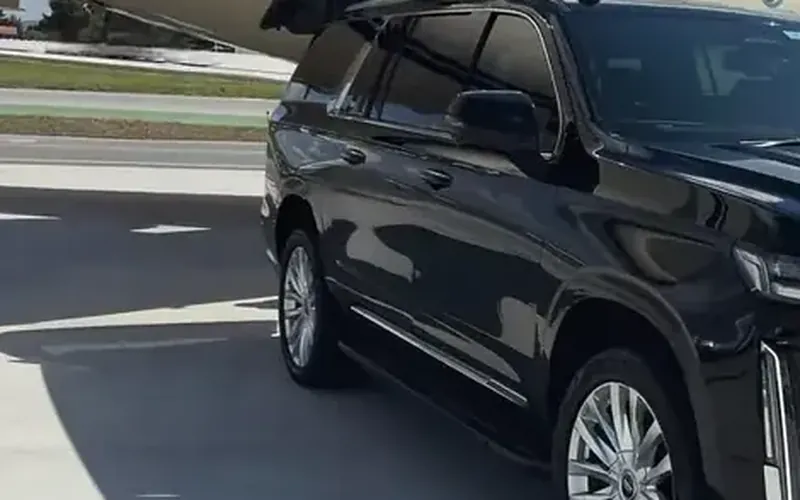
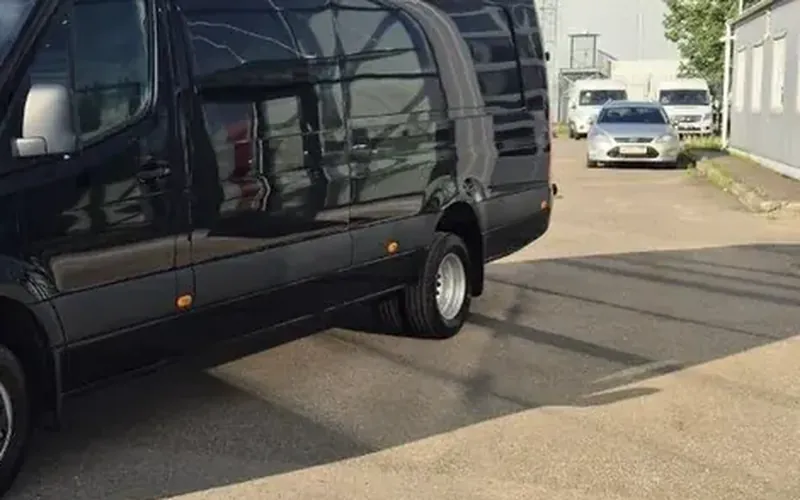
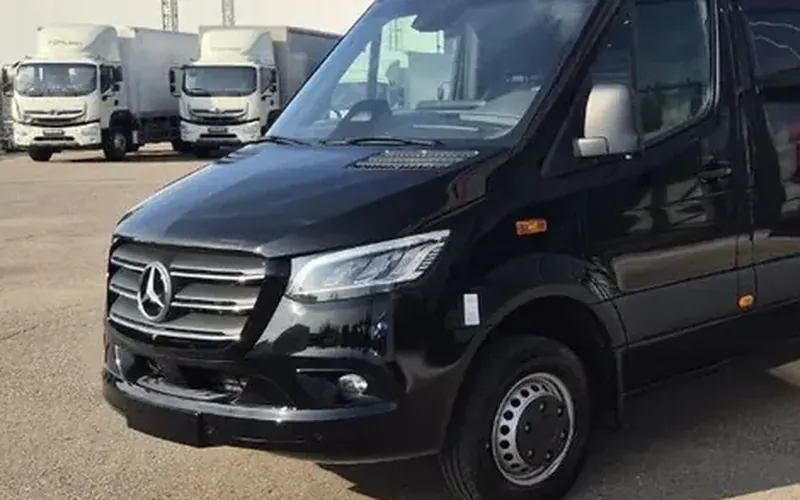
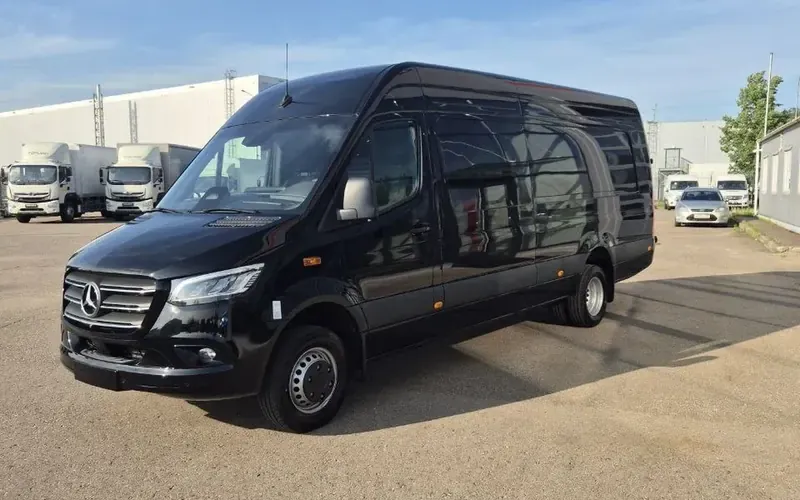
Then match groups to vehicles. A sedan moves up to three people comfortably and suits a single executive or a speaker plus luggage. An Executive SUV handles up to six with bags, which covers most small teams arriving together. A Mercedes Sprinter seats 10 to 14 and is the workhorse for airport group transfers and offsite dinners. For bigger moves, a Mini Bus Shuttle covers 20 to 30 and a Party Bus covers 20 to 40.
Seat counts are typical, not guaranteed, so treat them as planning figures and confirm the exact vehicle on the quote. Leave a seat or two of slack on each run. A group of 13 in a 14-passenger vehicle has no room for a last-minute addition or a guest who brings a plus-one.
Count only riders: guests at host hotels, speakers, staff and anyone who should not drive.
Group by route: attendees leaving the same hotel at the same time ride together.
Match vehicle to group: sedan up to 3, SUV up to 6, Sprinter 10 to 14, mini bus 20 to 30, party bus 20 to 40.
Leave slack: plan for one or two empty seats per vehicle to absorb changes.
Flag luggage: airport runs with checked bags need more room than a dinner run.
Map the Routes Before You Ask for Quotes
Corporate event transportation pricing and timing both depend on distance and route, so sketch the geography before you call anyone. List every pick-up point and every destination, then note which are close together and which sit on opposite sides of the city. A downtown hotel and a venue near Centennial Olympic Park are a short hop. A Buckhead hotel and a conference center out near the Perimeter is a different trip entirely.
Atlanta traffic is the variable that most affects your schedule. The Downtown Connector, where I-75 and I-85 merge through the center of the city, backs up in the morning and again from mid-afternoon into the evening. I-285 loops the metro and can be slow in either direction at rush hour. Build your timeline around these realities rather than around a map application's best-case estimate.
If your event touches a large venue, check whether it publishes its own arrival instructions. The Georgia World Congress Center campus, Mercedes-Benz Stadium and State Farm Arena all have specific drop-off zones and staff directing traffic on event days. A downtown Atlanta car service guide or a venue's own website will tell you which entrance to use. Getting this right once saves a dozen phone calls on the day.
Airport pick-ups
If attendees fly in, note which airport and terminal. Most arrive at Hartsfield-Jackson, but some corporate travelers use DeKalb-Peachtree (PDK) or Fulton County Executive (FTY). Airport pickups should be tracked to the flight so a delay does not strand a chauffeur or a guest.
Multiple hotels
When guests are spread across several hotels, decide whether to run one shuttle per hotel or a single loop. One vehicle per hotel is simpler to manage; a loop saves vehicles but adds time and confusion at each stop.
Build the Event Day Timeline Backward
Start with the moment the event must begin and work backward. A general session at nine in the morning means attendees should be seated by a quarter to nine, which means the last shuttle should arrive by half past eight, which means it should leave the host hotel around eight, which means guests should be in the lobby from a quarter to eight. Write it down in that order and the schedule explains itself.
Add buffer at each handoff. Loading a group of 30 into a shuttle takes longer than most planners expect, especially with name badges and coats. Venue security lines and bag checks add more. If your event has a registration desk, assume the first arrivals will queue there.
The return trip deserves the same care as the arrival, and often gets less. Evening events run over. Speakers linger. A reception that was scheduled to end at nine can easily empty at ten. If your vehicles are booked by the hour, agree in advance how overtime is handled, and give your transportation lead authority to extend rather than leaving 40 people in a parking lot.
Publish the timeline where attendees will see it. A simple line on the agenda, a note in the registration confirmation and a card at the hotel desk does more than a dozen emails.
| Time | Action | Owner |
|---|---|---|
| Two hours before departure | Confirm final headcount and vehicle assignments | Transportation lead |
| 75 minutes before | Chauffeurs confirmed on site at each pick-up point | Dispatch / vendor |
| 60 minutes before | Guests asked to gather in the lobby with luggage | Hotel contact |
| Departure time | Vehicles load and leave; lead confirms each one away | Transportation lead |
| Arrival minus 20 minutes | Lead checks venue drop-off and entrance | Transportation lead |
| Event end minus 30 minutes | Return vehicles staged; overtime decision made | Transportation lead |
| Event end | Guests directed to vehicles by group | Hotel or venue staff |
Ask the Right Questions Before You Book
A written quote should answer most of your questions before you ask them. Request one flat, itemized quote per trip or per block of hours, with gratuity, tolls and fees listed separately. That structure lets you compare two vendors fairly and lets you see what changes if the plan shifts. Pricing is quoted per trip, so the number you get should reflect your actual routes and times, not a generic estimate.
Ask how airport pickups are handled. A professional operator tracks flights so a delayed arrival does not leave a guest waiting or a chauffeur idling without instruction. Ask what happens if a flight lands early.
Ask about the day-of contact. You want a dispatch number that reaches a person, and you want to know whether your chauffeurs will have your transportation lead's mobile number. Confirm whether the same chauffeur stays with the group all day or whether vehicles rotate.
Finally, ask what is not included. Parking at the venue, wait time beyond an agreed grace period, and additional stops are the usual extras. Knowing them in advance keeps the final invoice boring, which is exactly what you want.
One flat quote: itemized, with gratuity, tolls and fees shown separately.
Flight tracking: confirmed for every airport pick-up.
Dispatch contact: a reachable number for the day of the event.
Chauffeur continuity: same driver all day, or rotating vehicles.
Extras spelled out: parking, wait time, additional stops, overtime.
Cancellation terms: in writing before you sign.
Coordinate With the Venue and the Hotels
Your transportation plan only works if the places at each end of the trip cooperate. Call the venue and ask three things: where vehicles should drop off, where they should stage between runs, and whether there is a holding area for chauffeurs. Large venues often have a designated charter and shuttle zone that is not the main rideshare curb. Using it keeps your guests out of traffic and your drivers out of trouble.
At the hotel end, ask the front desk or conference services manager to help. A hotel that knows a shuttle is coming at eight can put a sign in the lobby, hold the elevator bank and keep guests from drifting back to their rooms. Give them your timeline and the transportation lead's mobile number.
If your event runs across multiple days, ask the venue whether drop-off points change on different days. Conference centers frequently shift entrances depending on which halls are in use. A quick confirmation each morning prevents the most common and most visible mistake of the day.
For events at stadiums and arenas, check the venue's event-day guidance. A Mercedes-Benz Stadium transportation plan or a Truist Park and The Battery guide will tell you how arrival and departure usually work on game days and concert nights.
Assign Roles on Your Own Team
Corporate event transportation fails when everyone assumes someone else is handling it. Name one transportation lead, give that person the dispatch number and the authority to make small decisions, and tell the rest of the team who that is. The lead should not also be running registration or managing the AV setup.
A second person helps on the ground at the destination. While the lead manages departures from the hotel, the greeter meets each arriving vehicle, confirms the group is complete and points people toward registration. For events with several hotels, you may want one point of contact per hotel, each reporting to the lead.
Brief everyone the day before. Your team should know the timeline, the vehicle assignments, the drop-off locations and what to do if a vehicle is late. Give them a one-page sheet with names, numbers and times. Paper still works when a phone dies.
If your company runs events regularly, consider whether a standing corporate transportation program makes more sense than booking each event from scratch. A consistent account setup means your routes, contacts and billing are already on file when the next event lands on the calendar.
Plan for Changes and Contingencies
Something will change. A speaker's flight will be delayed, a session will run long, or three attendees will decide at the last minute that they want to ride instead of drive. A good plan absorbs these without a scramble.
Keep a reserve. If you are running several shuttles, one extra vehicle on standby for the busiest window is cheaper than a broken schedule. If you are running a single vehicle, agree in advance how an extra run would be handled and what it would cost.
Have a fallback for the return trip. If the evening reception ends early, guests will want to leave early. If it ends late, they will want to leave late. Hourly booking with a clear overtime policy handles both better than a rigid departure time.
Write down what you would do if a vehicle broke down. In practice, a professional operator dispatches a replacement, but your team should know who to call and how to keep guests informed while they wait. A short, calm announcement beats a rumor.
Weather
Atlanta summer afternoons bring thunderstorms, and winter mornings occasionally bring ice. Both slow traffic. Build buffer into outdoor events and keep guests indoors until vehicles actually arrive.
Large-scale disruptions
Road closures for races, parades and construction can reroute a trip. Check the city's road closure notices the week of the event and again the day before.
Review the Quote and Confirm Everything in Writing
When the quotes come back, compare them line by line rather than by the bottom number. A quote that lists gratuity, tolls and fees separately tells you what you are actually paying for. A single lump sum does not, and the difference often shows up later.
Check that the quote matches your plan: the right number of vehicles, the right seat counts, the right pick-up and drop-off points, and the right hours. If the event ends at ten but the quote covers until nine, fix it now.
Confirm the details in writing before the event. That includes the schedule, the vehicle assignments, the dispatch number and the cancellation terms. A short confirmation email that restates the plan protects everyone and gives your team a document to work from.
Then do one last thing: read the confirmation as if you were an attendee who knows nothing about the plan. If the pick-up time, location and vehicle are not obvious, revise it. Clear communication on paper prevents most of the phone calls on the day.
| Item | What to check |
|---|---|
| Vehicle and seat count | Matches your group size with a little slack |
| Hours and overtime | Covers the full event, with a clear overtime rate |
| Gratuity, tolls, fees | Listed separately, not bundled into one number |
| Airport handling | Flight tracking and wait policy confirmed |
| Day-of contact | A dispatch number that reaches a person |
| Cancellation terms | In writing, with dates and conditions |
Run a Short Day-Of Checklist
On the morning of the event, run through a short list. Confirm the final headcount. Confirm each vehicle and chauffeur. Confirm the pick-up points and times with the hotels. Confirm the drop-off and staging locations with the venue. Send your team the one-page sheet again.
During the event, the transportation lead should confirm each vehicle away from each pick-up point and each arrival at the destination. A simple text to a group thread is enough. If a vehicle is late, the lead knows before the guests do.
At the end of the night, do a final sweep. Count the vehicles, confirm every group has departed and check that no one has been left behind at the venue. Thank the chauffeurs and the dispatch team; it costs nothing and makes the next event smoother.
After the event, write down what worked and what did not while it is fresh. Keep the timeline, the quote and the contact list together. The next corporate event transportation plan starts from that file, and it gets shorter every time.
Frequently Asked Questions
These are the questions planners ask most often when they are organizing corporate event transportation for the first time.
Frequently asked questions
How far in advance should I book corporate event transportation?
For a single vehicle or a small group, a few weeks is usually enough. For a conference or an event with multiple shuttles, start several weeks out and confirm once your headcount and venue are set. Large events that fall on busy weekends benefit from earlier planning, since vehicles and chauffeurs are finite.
How many vehicles do I need for a group of 50?
It depends on how you want to split the group. Two mini bus shuttles at 20 to 30 passengers each, or a mix of a mini bus and a Sprinter, usually covers 50 with room to spare. The exact vehicle is confirmed on your quote, so give the planner your headcount and route and let them propose the mix.
Can you handle airport pickups for attendees arriving at different times?
Yes. Each airport pick-up is tracked to the flight, so a delayed arrival does not strand a guest. Give your planner the flight numbers and arrival times, and they will schedule each pick-up separately. For large groups, arrivals can be batched into shared runs.
What happens if our event runs longer than planned?
If you book by the hour, overtime is usually billed at a rate set out in your quote. Agree on that rate before the event and give your transportation lead authority to extend. For fixed trips, an extra run can usually be arranged, but confirm the cost in advance.
Do you provide transportation for multi-day conferences?
Yes. Multi-day events usually work best with a standing schedule that repeats each morning and evening, plus flexibility for offsite dinners. Give your planner the full agenda and they can build a plan that covers arrivals, daily shuttles and departures.
Can we set up a standing account for recurring events?
Many companies do. A standing account keeps your routes, contacts and billing details on file so each new event starts from a known plan. Ask about account setup when you request your first quote.
Is gratuity included in the quote?
Gratuity, tolls and fees are listed separately on every quote, so you can see exactly what you are paying for. There are no surprise add-ons at the end. If you want to tip a chauffeur extra for outstanding service, that is always at your discretion.