An Atlanta ice storm rarely looks dramatic on the radar, but it can close bridges, empty the interstates and cancel hundreds of flights at Hartsfield-Jackson. The metro does not get much winter weather, so a thin glaze of ice is enough to change how the whole region moves for a day or two. If you have a flight, a meeting or an event on the calendar, the smartest move is to plan before the forecast firms up.
This guide explains why a small amount of ice causes so much trouble here, what typically happens at ATL and on the roads, and how to build a travel plan that bends when the weather does. It also covers how chauffeured service works around a winter storm, including what we can and cannot promise when conditions turn unsafe. The short version: book early, stay flexible, and never treat a scheduled pickup as a reason to drive into ice.
Why a Little Ice Stops Atlanta
Atlanta sits in a climate where winter precipitation often arrives as freezing rain rather than snow. Rain falls through a warm layer of air and freezes on contact with cold pavement, bridges and tree limbs. That produces black ice, which looks like wet road and offers almost no grip.
The metro also has terrain that punishes ice. The Downtown Connector, the I-75 and I-85 interchanges, and the hills around Buckhead, Vinings and Sandy Springs all have grades where vehicles lose traction. Bridges and overpasses freeze first because cold air moves under them. A storm that drops a light glaze can strand cars on a ramp that looks perfectly fine from the driver's seat.
Local road crews are built for heat and rain, not ice. The region keeps a limited supply of treatment equipment and salt, so crews focus on major routes and hospital access first. Neighborhood streets, office parks and side roads may stay untreated for a day or more. That is why schools, offices and flights often close before the first flake or drop of freezing rain arrives.
The freeze-thaw trap
Ice often refreezes overnight after a sunny afternoon melts the top layer. A road that is passable at 2 p.m. can be a skating rink at 7 p.m. and again at 6 a.m. the next morning. Plan around the overnight hours, not just the daylight ones.
What Happens at ATL During an Atlanta Ice Storm
Hartsfield-Jackson is one of the busiest airports in the world, and winter weather anywhere in the country can affect it. When ice hits Atlanta itself, the airport can lose runway capacity because aircraft need de-icing and the ground crew works more slowly. Airlines then cancel flights in advance to keep planes and crews from getting stuck.
Expect the disruption to start before the storm. Airlines often waive change fees and publish travel advisories a day ahead, and they may proactively cancel flights that evening. Delays and cancellations can also continue for a day or two after the ice melts, because aircraft and crews are out of position across the network.
Your best tools are the airline's app, the airport's official website and your airline's customer service line. Check your flight status before you leave home, and check it again an hour later. If you are flying into ATL during a storm, expect the plane to land late, the jet bridge to be busy and baggage to take longer than usual.
Check the airline advisory first: see whether your flight is already covered by a weather waiver before you call.
Watch the flight number, not the airport: ATL can be clear while your aircraft is stuck in another city.
Move your pickup earlier: if your flight is still operating, allow extra time for slower roads and de-icing.
Keep your phone charged: airline apps, text updates and your driver's messages are the fastest way to stay current.
Know the backup plan: a hotel near the airport or a later flight is often better than a risky drive at dawn.
How the Roads Behave in an Atlanta Winter Storm
In normal rain, Atlanta traffic is slow. With ice, it stops. Interstates may close entirely after a pileup, and even when they stay open, ramps and overpasses become the danger points. Drivers who are not used to ice tend to brake hard or steer suddenly, which is exactly what causes a slide.
If you must be on the road during a winter storm, treat every bridge, overpass and shaded stretch as icy, even when the pavement in the sun looks clear. Leave far more following distance than usual, brake gently and early, and avoid changing lanes unless you have to. Do not pass a treatment truck. If your vehicle starts to slide, ease off the accelerator and steer where you want the front of the car to go rather than jamming the brakes.
The safest plan is usually no plan to drive at all. Work from home if your job allows, reschedule appointments and let the roads clear. For a full picture of conditions, use the state transportation department's traveler information site and local news, and follow guidance from local emergency officials. This is general information, not safety or legal advice; follow the directions of local authorities in an emergency.
| Area or system | What usually happens | How to plan |
|---|---|---|
| Bridges and overpasses | Freeze first, stay icy longest | Avoid them early and late in the day; take the flattest route |
| Interstates and the Connector | Slowdowns, ramp closures, occasional full shutdowns | Delay trips, check the state traveler site, do not drive in ice |
| ATL airport | De-icing delays, proactive cancellations, long lines | Check the airline app early, move pickups earlier, keep a backup flight |
| Neighborhood and side streets | Often untreated for a day or more | Do not assume a short local drive is safer than the highway |
| Schools and offices | Closings announced the evening before | Confirm before you travel; a closed office may mean an empty road but icy parking lots |
Planning Your Travel Around the Forecast
The forecast will change, sometimes several times. Build a plan that works across a range of outcomes instead of betting on one. Start watching the forecast about three days out, make a decision about two days out and confirm your arrangements the day before.
If you are flying out of ATL, ask your airline about moving to an earlier flight before the storm arrives. Many carriers allow changes when a winter weather advisory covers your dates, but the rules and deadlines vary, so confirm with your airline. If you are flying in, consider whether a one-day shift in your trip is cheaper and easier than a night in an airport hotel.
For events, call the venue and the organizer. Concerts, games and conferences sometimes go ahead while the roads around them do not. Ask about refunds, exchanges and whether the event has a weather policy. For business travel, tell your hosts early that you may need to join remotely or shift the meeting.
Build in a buffer
Add an hour or more to any trip that has a hard deadline, and consider arriving the night before for early flights, interviews or weddings. A hotel near the airport or near your destination is often the cheapest insurance against a missed morning.
Rebooking an Airport Pickup When Ice Hits
A scheduled pickup is a plan, not a guarantee. When a winter storm is forecast, the earlier you tell your car service about a flight change, the easier it is to move your ride. Send the new flight number and arrival time as soon as you have them, and keep your phone on after landing.
For arrivals, flight tracking matters more than ever. A plane that leaves late may land hours after its scheduled time, and a storm can push it later still. A service that tracks your flight adjusts the pickup to the actual landing. If your flight is canceled, tell the company right away so the vehicle is not sent to the airport for a trip that will not happen.
For departures, move your pickup earlier rather than later. De-icing, slower roads and heavier traffic at the terminal all add time. If conditions are unsafe, the right answer may be to reschedule the trip entirely. You can arrange an ATL airport car service with flight tracking and a written quote, and adjust it as the forecast firms up. For a full day of meetings or errands in winter weather, a chauffeur service in Atlanta keeps you out of the driver's seat on roads you would rather not handle.
Send the new flight number: as soon as your airline changes it, even if the new time is only an estimate.
Confirm the day before: a quick message the afternoon before travel catches most changes.
Keep your phone on after landing: your driver may need to reach you about a meeting point.
Ask about the weather policy: find out how delays and cancellations are handled before you book, not during the storm.
Have a plan B: a hotel near the airport or a later flight is a valid answer when the roads are bad.
What Chauffeured Service Can and Cannot Do in Ice
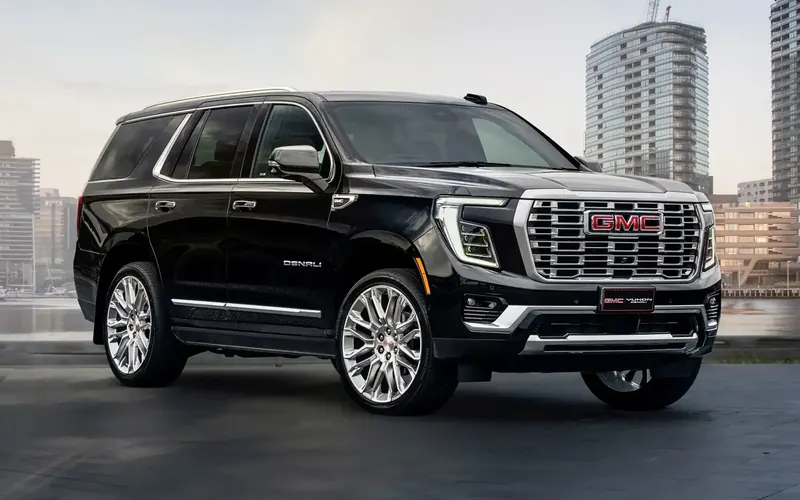
A professional chauffeur in a well-maintained vehicle is a better bet than most drivers on an icy morning. Chauffeurs drive for a living, they know the routes and they are not distracted by a phone or a rental car's unfamiliar controls. A larger vehicle with good tires and weight over the drive wheels can handle cold pavement better than a light car.
What a chauffeur cannot do is make ice safe. No vehicle, however capable, has traction on a sheet of freezing rain, and no responsible company will send a driver into a road that local officials have closed or warned against. If conditions are unsafe, expect trips to be delayed, rerouted or rescheduled. That is the right call, even when it is inconvenient.
Ask about winter readiness when you book. Good questions include whether the vehicle has all-season or winter tires, how the company monitors road conditions and what happens if a trip cannot run safely. A written quote should spell out the plan, the timing and how changes are handled. Treat any promise of guaranteed service in a closed-road emergency with skepticism.
A Winter Storm Checklist for Atlanta Travelers
Keep a short checklist ready before the season starts, so you are not assembling it while the forecast turns. Most of the work happens in the two days before the storm, not during it.
For your home and car, stock a few basics: a phone charger, a blanket, a small shovel, an ice scraper and a bag of sand or kitty litter for traction. Keep your gas tank or charge above half. At home, know where your water shutoff is in case a pipe freezes, and let a trickle of water run on the coldest nights if your home is prone to freezing pipes.
For travel, the checklist is mostly about communication. Confirm your flight, your pickup and your event before you go. Tell someone your route and expected arrival time. If you are hosting guests from out of town, send them the local forecast and a realistic picture of what the roads will be like. Many visitors assume Atlanta handles winter like their hometown, and it does not.
Two days out: watch the forecast, check airline waivers, decide whether to shift the trip.
One day out: confirm the pickup, the flight and the event; pack a charger and a warm layer.
Morning of: check the flight and road conditions before you leave; if roads are icy, stay put.
During the storm: keep your phone on, answer your driver's messages and avoid unnecessary trips.
After the ice: watch for refreeze overnight and give crews time to treat the side streets.
After the Storm: Refreeze, Cleanup and Getting Back to Normal
The morning after a winter storm is often the most dangerous. Melted snow and rain refreeze overnight, and shaded roads stay slick well into the day. Bridges, overpasses and parking decks are the last to clear. Give the metro a full day before you assume everything is back to normal.
Airports recover on their own schedule. A backlog of canceled flights can take a day or two to clear, and the first flights out may be full. If you are rebooking, be flexible about the airport and the time. If you are driving to ATL, expect heavier traffic at the terminal and allow extra time for the parking and drop-off areas.
Use the experience to plan for the next one. Note which routes worked, which bridges you want to avoid and how your airline handled the change. If you travel often in winter, set up a car service account now so a pickup can be arranged quickly when a storm is on the way. A little planning in November makes a January ice storm a lot less stressful.
Frequently asked questions
How often does Atlanta get ice storms?
The metro sees winter precipitation in some years and almost none in others, so there is no reliable schedule. Freezing rain and light ice are more common than deep snow. Watch the forecast from late fall through early spring and treat any winter weather advisory seriously.
Will my flight at ATL be canceled if there is ice?
Not always, but cancellations and delays are common when ice affects Atlanta or the airports where your aircraft and crew are based. Airlines often issue weather waivers ahead of a storm. Check your airline's app and the airport's official site for the current status of your specific flight.
Should I drive myself to the airport during an ice storm?
If roads are icy, the safest choice is usually to delay travel or reschedule. If your flight is still operating and you must go, use a professional driver and allow much more time. Never drive on a road that officials have closed or warned against.
Can I change my pickup time after I book?
Yes, and you should as soon as your plans change. Send the new flight number and time to your car service, and confirm the day before travel. Ask about the weather policy when you book so you know how delays and cancellations are handled.
What if my flight is delayed and I land hours late?
A service that tracks your flight adjusts the pickup to the actual landing time. Keep your phone on after you land so the driver can reach you. If your flight is canceled, tell the company right away so the vehicle is not sent to the airport.
Is a larger vehicle safer on ice?
Weight and good tires can help, but no vehicle has real traction on freezing rain. A professional chauffeur reduces risk because of experience and attention, not because the vehicle can defy physics. In unsafe conditions, the right answer is to reschedule.
How early should I book winter airport transportation?
Book as soon as your travel dates are set, and reconfirm in the days before the trip. During a forecast storm, earlier is better because vehicles and drivers get booked quickly. A written quote locks in the plan before the weather turns.