The atlanta film festival runs each spring, usually across several days in April, and it spreads screenings, panels and parties across theaters and venues around the city rather than confining everything to one building. If you are visiting for the first time, the two things that shape your week most are how you buy access and how you move between venues.
This guide covers how the festival generally works, which venues to expect, what passes and tickets involve, and how to plan transportation so a back-to-back screening schedule does not fall apart. Details change every year, so always confirm the current schedule, venues and access rules on the festival's official program before you book anything.
How the Atlanta Film Festival Works
The Atlanta Film Festival is one of the longer-running film events in the Southeast and typically takes place over roughly a week to ten days each spring, usually in April. Programming leans toward independent narrative features, documentaries, animation, experimental work and a deep slate of short films.
What sets it apart is its Oscar-qualifying status for short films. That means certain short film categories at the festival are recognized by the Academy, so winning filmmakers can become eligible for Academy Award consideration. In practice, this attracts submissions from around the world and gives the shorts programs a competitive, discovery-driven feel.
The festival is also a hub for the local film community. Atlanta has become one of the busiest production cities in the country, and the festival draws crews, producers, students and industry people from across Georgia alongside general audiences. Expect a mix of red-carpet premieres, smaller screenings, filmmaker Q&As, panels and after-parties.
Because the schedule is dense, the practical challenge is not finding something to watch but sequencing it. Screenings can overlap across venues, so build your plan around a few must-see blocks and leave buffer time between locations. Confirm the current lineup on the official program, since titles, times and venues change every year.
Venues You Are Likely to See on the Schedule
The festival uses a mix of historic theaters, arts spaces and modern cinemas around Atlanta. The exact venue list shifts year to year, but a few names come up often enough that you can plan around them.
The Plaza Theatre on Ponce de Leon Avenue in Poncey-Highland is a long-established Atlanta landmark and a frequent festival home. It is an old-school single-screen and multi-screen art house with a strong local following. Other screenings and events have historically landed at venues in Midtown, downtown and around the city's arts districts, including the Woodruff Arts Center area and various independent theaters.
Because venues are spread out, treat the festival as a citywide event rather than a campus. A screening in Poncey-Highland and a panel in Midtown are close on a map but not walkable in practice, especially in spring rain or evening traffic.
Check the official program for the current venue list, addresses and any accessibility notes. If you are staying in Midtown Atlanta, you are reasonably central to several likely venues, but you will still want a ride plan for anything outside walking distance.
Plaza Theatre: A historic art house on Ponce de Leon Avenue, long associated with the festival and Atlanta's independent film scene.
Midtown arts venues: The Woodruff Arts Center area and nearby spaces host panels, premieres and receptions.
Downtown theaters and event spaces: Larger screenings and industry events sometimes land downtown near the convention and hotel district.
Independent cinemas and pop-up spaces: The festival has used smaller theaters and converted spaces for shorts blocks and special programs.
Passes, Tickets and How to Get Access
The festival generally offers both festival passes and individual tickets. Passes usually come in tiers that bundle different levels of access, from general screening passes to higher-level badges that include parties, panels or priority entry. Individual tickets are typically sold for specific screenings, subject to availability.
Pricing, tier names and what each pass includes change from year to year, so check the official festival website for current options rather than relying on older information. The key questions to ask yourself are how many screenings you realistically plan to attend and whether parties and panels matter to you.
If you are coming for a few days, a pass is often the simpler route, but read the fine print on what it does and does not guarantee. Some passes require advance reservations for individual screenings, and popular premieres can fill up.
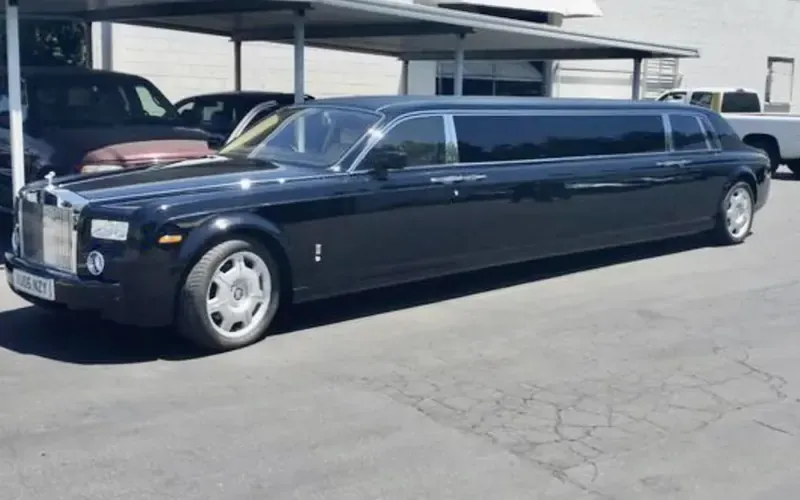
For a full festival experience, the black car service option makes sense for evenings when you are moving between a screening, a Q&A and a party without worrying about parking. Whatever you choose, buy early and confirm the current rules on the official program.
Screenings, Panels, Q&As and Parties
A typical festival day mixes several kinds of events, and each has a different rhythm. Understanding them helps you build a schedule that does not leave you sprinting between venues.
Screenings are the core. Feature blocks usually run around two hours; shorts programs vary but often run longer than you expect because they bundle several films. Many screenings include a filmmaker Q&A afterward, which can add twenty to thirty minutes.
Panels and industry sessions usually happen in the daytime and cover craft, financing, distribution and production in Georgia. These are often the most useful events for filmmakers and students, and they tend to be smaller and more conversational.
Parties and receptions typically follow evening screenings or close out the night. They are a big part of the festival's value, especially for networking, and they often happen at a different venue from the screening you just left.
Plan for Q&As to run long and for parties to start after the credits. If you are booking rides, give yourself a cushion rather than scheduling a pickup at the exact minute a screening is listed to end.
The Georgia Film Industry and Why It Matters Here
Atlanta has grown into one of the largest production hubs in the United States, with major studio complexes and a steady flow of film and television work. That local industry shapes the festival in visible ways.
You will see Georgia-based crews, production companies and film students throughout the program, and panels often focus on working in the state's production ecosystem. The festival functions partly as a gathering point for that community, not just a showcase for finished films.
For visitors, this means the festival is a good window into how Atlanta's film scene actually operates. If you work in production or are considering it, the panels and informal conversations at parties can be as valuable as the screenings.
It also means the city is used to film traffic and temporary closures, which occasionally affect routes near venues. Build a little extra time into your plans during the festival week and check for any production-related street closures before you head out.
Getting Between Venues Without Missing a Screening
Transportation is the part of festival planning people underestimate. Screenings run on a tight clock, venues are spread across neighborhoods, and evening traffic in Atlanta can turn a short drive into a long one.
Parking near popular venues is limited and often paid, and circling for a spot can cost you the opening minutes of a film. If you are attending several events in a day, driving yourself adds stress you do not need.
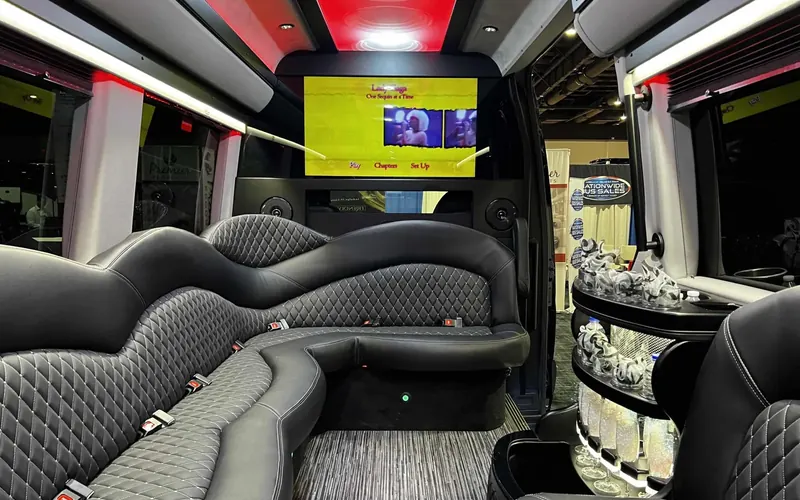
A chauffeured car or a scheduled black car solves most of this. You get dropped at the entrance, you do not hunt for parking, and you can work or review the program between screenings. For groups, a Mercedes Sprinter keeps a small crew together and makes venue-hopping far easier.
If your trip overlaps with a production shoot or you are in town for work as well as the festival, film production transportation in Atlanta is worth arranging in advance. For most visitors, the simplest approach is to book evening rides ahead and use short point-to-point trips during the day.
A Sample Festival Day, Planned Around Rides
Here is a realistic way to structure a day when you have a pass and want to see a lot without burning out. Treat it as a template and adapt it to the actual program.
Start with a daytime panel or an early shorts block, since mornings are calmer and venues are less crowded. Break for lunch near the venue rather than crossing town. Schedule your biggest screening for late afternoon or early evening, when premieres and Q&As tend to land. Finish at a party or reception, and have your ride set for a fixed time so you are not standing on a sidewalk at midnight trying to book something.
The table below shows how a day might map out across venues.
| Time of day | What to plan | Transportation note |
|---|---|---|
| Morning | Panel or early shorts block | Short ride from your hotel; traffic is lighter |
| Midday | Lunch near the venue, then a feature | Walk if possible; otherwise a quick point-to-point ride |
| Afternoon | Second screening or industry session | Build in a buffer; Q&As often run long |
| Evening | Premiere or headline screening with Q&A | Book the ride ahead; parking fills up |
| Night | Party or reception | Pre-schedule pickup; do not rely on last-minute booking |
Where to Stay and How to Book Your Rides
Most visitors stay in Midtown, downtown or Buckhead, all of which put you within reasonable reach of likely venues. Midtown is central and walkable to restaurants and arts spaces; downtown puts you near the convention and hotel district; Buckhead is quieter and further north.
Book your rides around your screening schedule, not the other way around. Give the driver your venue address and the film's end time plus a cushion, and confirm pickup points in advance since some theaters have limited curb space.
If you are traveling with a group, a mini bus shuttle can move a student group or production team between venues efficiently. For smaller parties, an executive SUV handles luggage and a few passengers comfortably.
Finally, remember that the festival is a live event with a changing program. Confirm times, venues and access rules on the official festival site the week you travel, and keep your transportation flexible enough to absorb a schedule change.
Frequently asked questions
When is the Atlanta Film Festival held?
It typically runs each spring, usually across several days in April. Exact dates change every year, so check the festival's official website for the current schedule before you plan travel.
Is the Atlanta Film Festival Oscar-qualifying?
Yes, it is recognized as an Oscar-qualifying festival for short films in certain categories. That means winning filmmakers in those categories can become eligible for Academy Award consideration, which is part of why the shorts programs draw strong submissions.
Do I need a pass or can I buy individual tickets?
Both are usually available. Passes bundle access across the festival, while individual tickets are sold for specific screenings subject to availability. Check the official program for current pass tiers, prices and any advance reservation requirements.
Where are the screenings held?
Venues vary by year but often include the Plaza Theatre on Ponce de Leon Avenue and arts spaces in Midtown and downtown. Because venues are spread across the city, plan transportation between locations rather than assuming you can walk.
Are there parties and networking events?
Yes, the festival typically includes opening and closing night events, receptions and after-parties. Many are tied to specific pass levels, so confirm what your pass includes and whether RSVPs are required.
How should I get between venues?
A chauffeured car or scheduled black car is the simplest option, especially in the evening when parking is tight and traffic is heavy. Book rides ahead around your screening times and leave a buffer for Q&As that run long.
Can I bring a group to the festival?
Yes. Student groups, production teams and friend groups often attend together. A Sprinter van or mini bus keeps everyone together and makes moving between venues much easier than coordinating multiple cars.