If you are weighing uber vs car service safety in Atlanta, the short answer is that the two work very differently. Rideshare apps match you with an independent driver in a personal vehicle, usually within minutes. A chauffeured car service assigns a professional driver in a company vehicle, booked ahead of time with a written quote.
Neither option is automatically safer in every situation. What matters is knowing how each one screens drivers, insures the ride, maintains vehicles and handles problems. This guide walks through those differences in plain terms so you can pick the right ride for an airport run, a night out, a client visit or a group trip around metro Atlanta.
How uber vs car service safety actually differs
The core difference is the business model. A rideshare platform connects you to a driver who uses their own car and works as an independent contractor. A chauffeured company employs or contracts professional drivers who operate company-owned or company-managed vehicles, and it takes the booking, the quote and the responsibility for the trip.
That changes who is accountable when something goes wrong. With a platform, support usually runs through an app and a general response team. With a car service, you have a company name, a dispatch line and a booking record tied to a specific chauffeur and vehicle.
It also changes what you can plan for. A rideshare driver may be finishing another trip across town, so pickup times shift. A scheduled chauffeur is assigned to your reservation, which matters when you have a flight to catch or a meeting that cannot slip.
What rideshare does well
Rideshare is easy to summon, widely available across Atlanta and useful for short, low-stakes trips where timing is flexible. In-app GPS tracking and driver ratings give you some visibility, and cashless payment is simple.
Where chauffeured service pulls ahead
Pre-booked professional transportation gives you a confirmed vehicle class, a named company, a written quote and a driver whose job is the trip itself rather than squeezing in one more fare. For airport runs, corporate travel and events, that predictability is the safety benefit.
Driver screening and background checks
Both models involve background checks, but the scope and the enforcement differ. Rideshare companies run motor vehicle and criminal background checks on applicants, and many re-check periodically. The rules vary by market and by company, and drivers are independent, so standards are set by the platform rather than by a local operator.
Chauffeured companies typically screen drivers directly, verify a clean driving record, check for a valid license and review experience before hiring. Many also require drug testing, defensive driving training and a professional appearance standard. Because the company controls its roster, it can remove a driver from service quickly.
When you compare uber vs car service safety, ask specific questions rather than accepting a general promise. A reputable operator will tell you how drivers are vetted, whether they are employees or contractors, and what ongoing checks apply.
Ask about screening: How are driving records and criminal backgrounds checked, and how often?
Ask about training: Is there defensive driving or customer service training before a driver starts?
Ask about employment: Are drivers employees, contractors or a mix, and who supervises them?
Ask about testing: Is drug and alcohol testing part of hiring, random checks or both?
Ask about removal: What causes a driver to be taken off the roster?
Insurance, licensing and who covers what
Insurance is the part most riders never think about until there is a problem. Rideshare platforms carry commercial coverage that generally applies during an active trip, with limits that depend on the phase of the trip and the company's policy. Personal auto policies often exclude commercial ride-hailing, which is why the platform coverage exists.
Chauffeured and limousine operators are regulated differently. In Georgia, for-hire passenger carriers are subject to state licensing and insurance requirements, and legitimate operators carry commercial liability coverage for their vehicles and drivers. The exact requirements are set by the state, so confirm current rules with the Georgia Department of Public Safety or the relevant licensing authority.
Before you book, ask any company for its operating authority and insurance details. A professional operator will answer without hesitation. This is general information, not legal or insurance advice, so confirm current requirements with the responsible authority.
What to check on a quote
A legitimate car service quote lists the trip, the vehicle, gratuity, tolls and fees separately. That paper trail is also your proof of who you hired if you ever need to make a claim.
What to check in an app
In rideshare apps, confirm the license plate, car make and driver photo before you get in, and share your trip with someone. Those steps are your main verification tools.
Vehicle condition and maintenance
Rideshare vehicles are personal cars. They must meet platform age and inspection standards, but maintenance is ultimately the owner's responsibility, and condition varies widely from a spotless newer sedan to a well-worn compact.
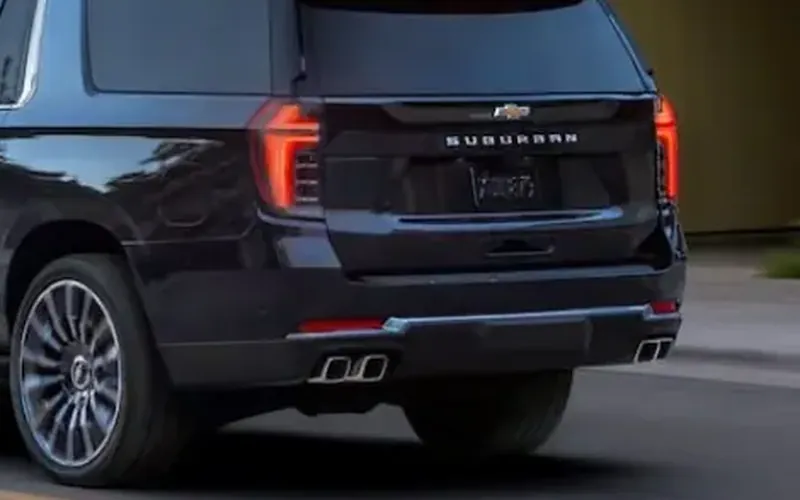
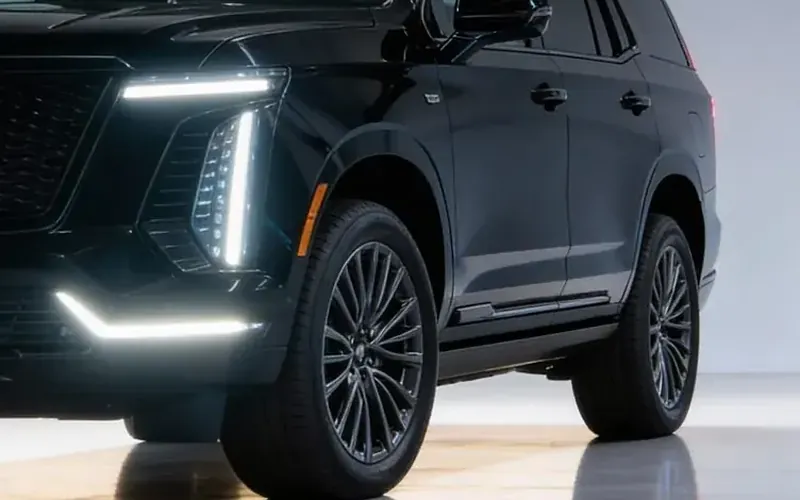
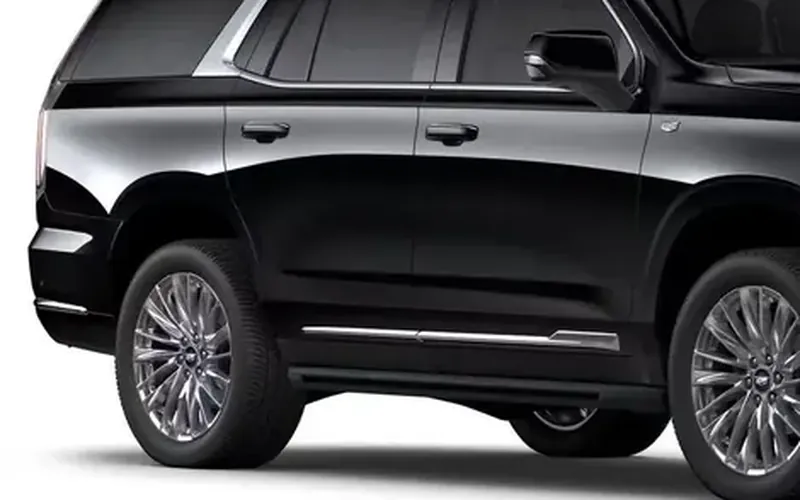
Chauffeured fleets are company assets, typically maintained on a schedule, cleaned between trips and replaced on a lifecycle. Vehicles range from a luxury sedan for airport runs to an executive SUV for families with luggage, a Mercedes Sprinter for corporate groups and a mini bus shuttle for conference transfers.
Vehicle condition is a real safety factor. Tires, brakes, lights and cabin cleanliness all affect the ride. When you book, ask what class of vehicle will arrive and confirm it on the quote so there are no surprises at pickup.
| Factor | Rideshare app | Chauffeured car service |
|---|---|---|
| Booking | On demand, minutes ahead | Scheduled in advance, any hour |
| Driver | Independent contractor | Company-screened professional |
| Vehicle | Driver's personal car | Company fleet, maintained on schedule |
| Pricing | Estimated in app, can change | Flat itemized quote before booking |
| Accountability | Platform support team | Named company and dispatch line |
| Best for | Short, flexible trips | Airports, business, events, groups |
Late nights, airports and other higher-risk trips
Some trips carry more risk than others. Late-night rides after a concert or a long dinner, airport pickups at odd hours, and trips where you are carrying luggage or traveling alone all deserve a closer look at who is driving.
At Hartsfield-Jackson, pickup logistics add another layer. Traffic on the airport approach, curbside congestion and meeting points can leave you standing outside at night waiting for a car that is circling. A scheduled ATL airport car service tracks your flight and coordinates the pickup, so the driver is there when you land rather than when you happen to open the app.
If you are arriving late or traveling for business, a black car service gives you a confirmed driver, a known vehicle and a dispatch number. That is the practical side of uber vs car service safety: fewer unknowns at the moment you are most tired.
Airport pickups
Flight tracking, a meet-and-greet option and a driver who knows the terminal layout reduce the confusion that comes with curbside app pickups. Confirm the meeting plan in your booking.
Nights out and events
After a concert at Mercedes-Benz Stadium or a night in Midtown, demand spikes and app prices and wait times rise. A pre-booked chauffeur removes the scramble and the temptation to accept any car that pulls up.
Groups, families and passengers who need extra care
Rideshare works best for one to four passengers. Once you have a group, you are splitting into multiple cars, which means multiple drivers, multiple trips and no single point of contact. For a bachelorette party, a wedding party or a team outing, that fragmentation is both a logistics problem and a safety one.
Chauffeured group transportation keeps everyone in one vehicle with one professional driver. Options range from a stretch limousine for a small wedding party to a party bus for a large celebration, with a group transportation booking covering the whole plan.
Families with young children should ask about child seat policy before booking either option. Car seat rules are set by Georgia law, and the responsibility for providing and installing an appropriate seat generally falls on the parent or guardian. This is general information, not legal advice, so confirm current requirements with the Georgia Department of Public Safety.
One vehicle, one driver: The whole group travels together with a single accountable chauffeur.
Planned route: Stops and timing are agreed before the trip rather than negotiated on the fly.
Child seats: Ask in advance who provides and installs any required seat.
Accessibility: Mention mobility needs when booking so the right vehicle is assigned.
Return trip: Confirm the pickup time and location for the ride home before you leave.
Accountability, tracking and resolving problems
Both models offer tracking, but the record looks different. Rideshare apps show a live map and a trip receipt, and issues go through in-app support. A car service gives you a reservation confirmation, an itemized quote and a dispatch contact who can be reached during the trip.
The difference shows up when something goes wrong. A missed pickup, a billing question or a lost item is easier to resolve when there is a company with a phone number and a booking record on the other end. That is a meaningful part of uber vs car service safety, because accountability is what turns a complaint into a fix.
Keep your confirmation handy, note the vehicle and chauffeur details at pickup, and save the dispatch number. If you are traveling to a corporate event or a client dinner, your coordinator should have the same information.
Before you get in
Match the plate, vehicle and driver to your booking or app. If anything does not match, do not get in. Ask the driver to confirm the name on the reservation.
During the trip
Share your route with someone you trust. In an app, use the share-trip feature. With a car service, give a family member or colleague the dispatch number and your expected arrival time.
How to choose for your trip
The right choice depends on the trip, not on a blanket rule. A short ride to a neighborhood restaurant is a different decision from a 5 a.m. airport run or a client visit where your reputation is on the line.
Use the flexible option when timing is loose, the trip is short and you are comfortable with the verification steps the app requires. Use a scheduled professional service when the trip is time-sensitive, involves a group, happens late at night, or needs a documented quote and a company you can call.
If you want to compare a scheduled ride for your next trip, request a written quote. Pricing is quoted per trip with gratuity, tolls and fees listed separately, so you can see exactly what you are paying for before you commit.
Time-sensitive trips: Choose a scheduled chauffeur for flights, meetings and events.
Groups of five or more: One vehicle and one driver beats splitting into multiple cars.
Late nights: A pre-booked driver removes the wait and the guesswork.
Client-facing travel: A professional vehicle and driver reflect on you.
Short flexible hops: An app is fine when timing does not matter.
Questions worth asking any provider
Whether you open an app or call a local company, a few direct questions separate a professional operation from a casual one. Ask them before you book, not after.
For a chauffeured company, ask about driver screening, insurance, vehicle maintenance and the cancellation policy. For rideshare, use the app's safety features, verify the vehicle every time and report anything that feels wrong.
Safety is mostly about reducing variables. A confirmed driver, a known vehicle, a written quote and a phone number to call cover most of them. If you are planning airport travel, a car service to ATL or a ride from the airport can be booked in advance at any hour, and the details will be in writing before you travel.
| Check | Why it matters |
|---|---|
| Driver screening | Tells you who is behind the wheel |
| Insurance coverage | Determines what protects you in a collision |
| Vehicle class | Confirms space, condition and luggage capacity |
| Written quote | Shows the full price before you commit |
| Contact number | Gives you a way to resolve problems fast |
Frequently asked questions
Is a private car service safer than Uber or Lyft in Atlanta?
Not automatically, but it removes several variables. A chauffeured company screens its own drivers, maintains its own vehicles and gives you a named company, a dispatch line and a written quote. Whether that matters depends on the trip. For airports, late nights and groups, the predictability is a real safety advantage.
How are chauffeurs screened compared with rideshare drivers?
Chauffeured companies typically run driving record and criminal background checks, verify licensing and provide defensive driving training before a driver starts. Rideshare platforms also run checks, but drivers are independent contractors and standards are set by the platform. Ask any provider exactly what their screening includes.
Does insurance work the same for both?
No. Rideshare platforms carry commercial coverage during active trips, while personal policies often exclude ride-hailing. Chauffeured operators carry commercial liability coverage and are subject to state licensing and insurance requirements. Confirm current rules with the Georgia Department of Public Safety, and ask any company for its coverage details.
What should I check before getting into a rideshare car?
Match the license plate, car make and driver photo to the app before you open the door. Share your trip with someone you trust and sit in the back. If anything does not match, do not get in, and report it through the app.
Are car services better for airport pickups at ATL?
For many travelers, yes. A scheduled chauffeur tracks your flight, coordinates a meeting point and is assigned to your reservation, which avoids circling the terminal while you wait. Confirm the meeting plan and terminal details when you book.
How do I handle child seats in either option?
Ask before you book. Rideshare drivers are not required to supply child seats, and chauffeured companies vary in what they provide. In general, the parent or guardian is responsible for an appropriate, correctly installed seat under Georgia law. This is general information, not legal advice, so confirm current requirements with the Georgia Department of Public Safety.
Can I get a written quote before booking a car service?
Yes. A professional operator quotes a flat, itemized price before you book, with gratuity, tolls and fees listed separately. That quote is also your record of the vehicle class, pickup time and contact details, which helps if you need to resolve a question later.