Flying through Atlanta airport with kids is manageable once you know how the building works. Hartsfield-Jackson is huge and busy, but it is also predictable: two terminals feed five concourses, a train connects everything inside security, and almost every family pain point comes down to timing and packing rather than luck.
This guide walks you through the parts parents actually worry about. You will get a realistic plan for arrival, security with a stroller, the train between concourses, feeding and changing stops, keeping kids calm during delays, and how to set up a pickup at the curb that does not end in a meltdown in the arrivals lane.
Why Atlanta Airport With Kids Takes More Planning
ATL is one of the busiest airports in the world, and its layout is the reason. Domestic and international flights split between two terminals, and travelers move through five concourses connected by an underground train and long walking corridors. None of that is hard, but it adds minutes, and minutes are what families run short on.
The airport also sits south of the city, so the drive in from Buckhead, Alpharetta, Marietta or Roswell is a real trip on I-75, I-85 or I-285. Traffic can turn a straightforward run into a slow crawl, and the last thing you want is to arrive at the curb with a tired toddler and no margin.
Plan the trip as three separate legs: getting to the airport, moving through it, and getting to your destination at the other end. Each one has its own small decisions, and handling them in advance is what makes the day feel calm instead of chaotic.
Before you leave home: confirm terminal, flight status and whether you are checking bags.
On the drive in: allow buffer for traffic and know which terminal entrance you need.
At the curb: unload, tag bags and get everyone inside before anyone gets hungry.
Inside security: find the train, then walk to your concourse gate.
At the gate: fill water bottles, change diapers and eat before boarding starts.
Choosing Your Terminal and Concourse Before You Go
ATL has a Domestic Terminal on the west side and an International Terminal on the east side, and which one you use depends on your airline and route. Most domestic carriers operate from the Domestic Terminal and feed into the concourses; international departures and many international arrivals use the International Terminal. Airline assignments do change, so check your airline's site and the airport's own terminal information before you travel.
If you are flying from a private or regional field instead, the experience is completely different and much calmer. DeKalb-Peachtree (PDK), Fulton County–Brown Field (FTY), Gwinnett–Briscoe Field (LZU), Cobb County–McCollum Field (RYY) and Atlanta Regional–Falcon Field (FFC) are small facilities with short walks and no train. Families flying private or charter often find these far easier with young children.
Whatever your departure point, the practical rule is the same: write down the terminal and concourse, screenshot it, and confirm again the morning of the flight. Airlines occasionally move gates, and a family of five walking the wrong direction is a ten-minute mistake you feel for the rest of the day.
Domestic Terminal basics
The Domestic Terminal splits into a north and south side, each serving different airlines, and both connect to the concourses beyond security. Check which side your airline uses before you park or get dropped off, because the two sides are not a quick walk apart with luggage and kids.
International Terminal basics
The International Terminal handles international departures and many international arrivals, with its own security checkpoint and a train connection to the concourses. If you are arriving from abroad with children, plan on a longer walk to baggage claim and ground transportation than you would have on a domestic flight.
How Early Should You Arrive With Children
The honest answer is earlier than the airline's minimum. Standard advice for domestic flights is to be inside the terminal a couple of hours before departure, and international flights need more. With children, add buffer on top of that, especially if you are checking bags, traveling with a stroller, or flying at a peak time such as early morning, Sunday evening or a holiday week.
Think about what slows you down. Bag drop lines move unpredictably. Security with a stroller means folding it, sending it through the scanner and managing shoes and bins with a child in your arms. A diaper change always takes longer than expected. Bathroom stops multiply with every additional kid.
A workable approach is to set a target arrival time and then back it up one more step: the time you want to be at the gate, the time you want to clear security, the time you want to be in the security line, and the time you need to arrive at the terminal. That reverse plan is more useful than a single number, because it tells you where the slack actually is.
| Situation | Plan for | Why |
|---|---|---|
| Domestic, carry-on only, older kids | Airline minimum plus a little buffer | Fewest moving parts |
| Domestic, checked bags | Extra time for bag drop | Lines vary by hour and airline |
| Stroller or car seat on the trip | Extra time at security | Gear must be folded and screened |
| International departure | More time than domestic | Longer walks and document checks |
| Holiday or peak travel week | The most buffer of all | Security and curbs are busiest |
| Flying from a private field (PDK, FTY, LZU, RYY, FFC) | Much less time | Small terminals, short walks |
Security, Strollers and Car Seats Without the Stress
ATL security works like most large airports: you will need ID for adults, boarding passes for everyone, and a plan for liquids, electronics and baby gear. Children generally follow the same screening process as adults, though the exact rules for strollers, formula, breast milk and car seats are set by TSA and can change. Check the TSA site before you fly and again the week of your trip.
Strollers usually go through the X-ray belt, so a compact folding stroller is far easier than a full-size one. If you plan to gate-check it, ask the airline at check-in how they want it tagged and where to leave it. Car seats are similar: you can generally use an approved seat on board if you bought a seat for your child, or check it, but confirm the airline's current policy because it varies by carrier and aircraft.
Pack security-friendly. Wear slip-on shoes, keep liquids and formula in one accessible bag, and put nothing in the bins that you will need to dig for. If you are traveling with a baby, ask a staff member where the family or accessible lane is; many checkpoints have one, and using it is not a special favor, it is what it is there for.
This is general information, not legal advice. Rules on car seats in vehicles and on aircraft are set by state law and the relevant agencies, so confirm current requirements with the airline and the appropriate authority before you travel.
Stroller: bring a compact folding model and know how to collapse it in one motion.
Car seat: decide before the trip whether it flies with you or gets checked, and confirm the airline's policy.
Diapers and wipes: pack more than you think you need in the bag you carry on.
Snacks: sealed, easy to open, nothing that crumbles into a car seat.
Documents: one folder or pouch with everyone's ID and boarding passes.
Getting Between Concourses: The Plane Train and the Walks
Inside security, the Plane Train runs underground between the concourses and is the fastest way to move a family across the airport. It arrives frequently, the ride is short, and it beats a long walk with tired kids. The catch is crowding at peak times, so hold hands, keep the stroller close and step aside to let a train go by if it is already packed.
Walking is sometimes the better choice. Some concourses are connected by pedestrian walkways, and if you are only moving one stop, walking can be quicker than descending to the train, waiting, riding and coming back up. It also burns energy, which helps with kids who have been sitting all day.
Build in a stop. Concourses have restrooms, moving walkways and places to sit, and a ten-minute break in the middle of a long connection prevents the sprint-and-cry ending. If your connection is tight, tell a staff member at the gate you are arriving from; they can sometimes help you understand the fastest route.
For families arriving on a flight and heading into the city, the exit process is the same in reverse: train or walk to the terminal, then baggage claim, then ground transportation. That last step is where a pre-arranged ride makes the biggest difference, and a car service to Atlanta airport booked in advance means someone is tracking your flight and waiting when you come out.
Food, Naps and Keeping Kids Calm During Delays
Delays happen, and the families who handle them best are the ones who planned for a two-hour wait rather than hoping for none. That means a charged tablet or a book, a snack bag that is not empty by the time you reach the gate, and a change of clothes for the youngest traveler in the group.
Food at ATL is plentiful, with everything from grab-and-go counters to sit-down restaurants across the terminals and concourses. Options and hours vary by concourse and time of day, so check what is near your gate rather than planning around one specific place. If your child has allergies or is a picky eater, bring safe food with you and treat airport food as a bonus.
Naps are the hardest part. A flight that overlaps with nap time is a gift; a flight that ends right at nap time is a test. If you can, book around your child's rhythm rather than against it. A lightweight blanket, a familiar lovey and a window seat help more than any gadget.
For long connections, look for quieter corners away from the gate crowds and use the moving walkways as entertainment. A tired kid who has walked a concourse is more likely to sleep on the plane than one who has been carried the whole way.
What to pack in the carry-on
One full change of clothes per child, diapers and wipes, a refillable water bottle, sealed snacks, any medication in its original packaging, a charger and a comfort item. Keep it in one bag you can open with one hand.
What to skip
Bulky toys, anything with small loose pieces, and gear you have never tested at home. New gadgets are a gamble; familiar ones work better under stress.
Arranging the Ride Home: Pickups, Car Seats and Curbside Reality
The arrivals curb at ATL is busy at almost every hour, and managing it with children, luggage and a stroller is the part of the trip most families remember. Rideshare pickups and app-based services have designated areas and can involve a walk and a wait; the exact rules and locations change, so confirm on the airport's ground transportation page before you fly.
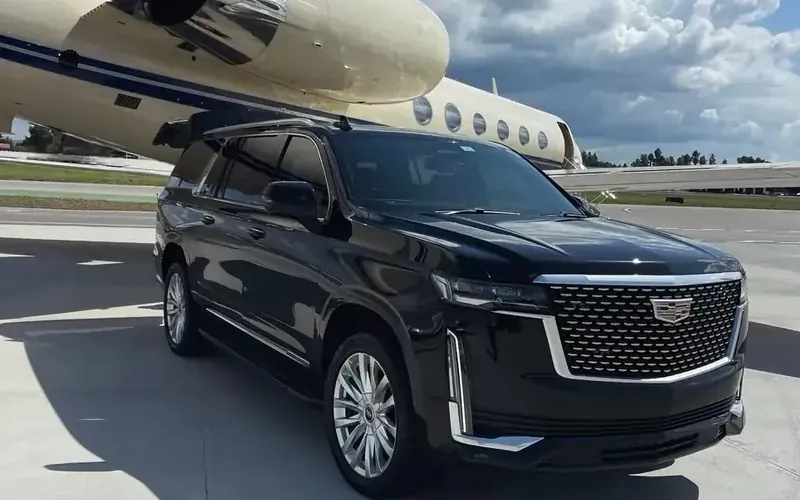
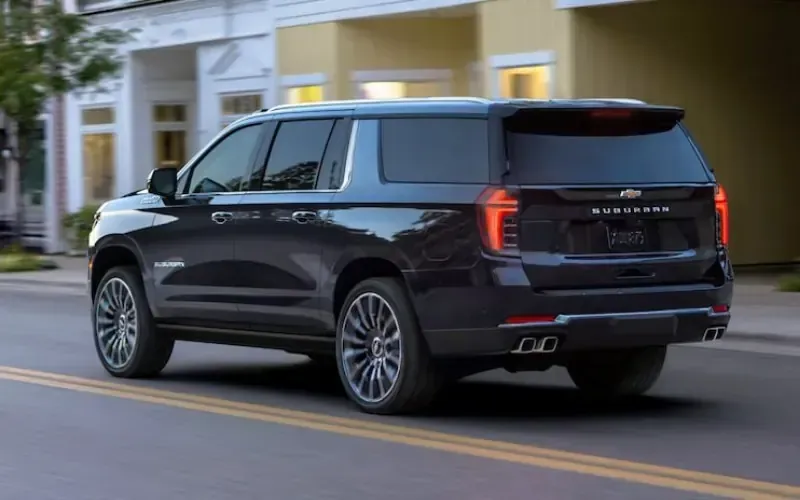
A pre-booked chauffeured car changes the shape of that last hour. Your driver tracks the flight, so a delayed landing does not mean a stranded family at the curb. You get a flat, itemized quote before you book, with gratuity, tolls and fees listed separately, and the vehicle is confirmed in advance rather than assigned on the day. For a family with luggage, an ATL airport car service with an Executive SUV or a Mercedes Sprinter gives you room for bags, strollers and car seats without stacking children on top of suitcases.
Car seats are the detail to settle when you book, not when you land. Tell the company the ages and weights of your children and confirm what they can provide, then double-check the current Georgia requirements yourself. This is general information, not legal advice, so confirm the rules with the state authority before you travel.
If you are staying in town, the same logic applies in reverse for the trip back to the airport. Booking the return leg at the same time as the arrival leg usually means one confirmation, one point of contact and one less thing to arrange from a hotel room.
Book ahead: reserve the arrival pickup before you fly, with your flight number.
Confirm car seats: share ages and weights and get the arrangement in writing.
Set a meeting point: ask where the driver will wait and how you will find them.
Allow for baggage: a larger vehicle is worth it when strollers are involved.
Plan the return: book the trip back to ATL at the same time.
Flying Into a Private Field Instead of ATL
Not every family trip through Atlanta means the big airport. If you are flying private, charter or a smaller carrier into DeKalb-Peachtree, Fulton County–Brown Field, Gwinnett–Briscoe Field, Cobb County–McCollum Field or Atlanta Regional–Falcon Field, the whole experience is shorter and quieter. There is no Plane Train, no long concourse walk and usually a very short distance from the aircraft to the car.
Those fields sit in different parts of metro Atlanta, which matters for your ground plan. PDK is northeast of the city near Brookhaven and Chamblee, FTY is west of downtown, LZU is northeast toward Lawrenceville, RYY is in Cobb County near Marietta and Smyrna, and FFC is south of the city near Peachtree City. Knowing which one you are using tells you how long the drive to your hotel or home will take.
For families, the appeal is obvious: less walking, fewer crowds and a calmer start. The trade-off is that ground transportation at smaller fields is thinner, so arranging a car in advance matters even more than it does at ATL. A booked PDK airport car service or a Peachtree City limo service for FFC arrivals means you are not relying on a last-minute app match at a field with a small pickup area.
If you are weighing which airport works best for your trip, compare the drive times from where you are staying. A short flight into a convenient field often beats a longer drive on the other end, especially with young children.
A Simple Family Checklist for ATL Travel Day
The families who move through ATL smoothly are not doing anything clever. They are just working from a list. Here is one you can adapt, covering the parts that go wrong most often.
Run through it the night before and again in the car. It takes two minutes and saves a lot of guessing at the curb.
Flight confirmed: check status, terminal and concourse the morning of travel.
Bags packed: diapers, wipes, one change of clothes per child, snacks, medications.
Documents ready: IDs, boarding passes and any international paperwork in one pouch.
Gear decided: stroller and car seat plan confirmed with the airline.
Ride booked: arrival pickup confirmed with flight number and car seat request.
Buffer built in: arrival time at the terminal set earlier than the airline minimum.
Entertainment loaded: devices charged, headphones packed, comfort items in reach.
Return planned: trip back to the airport booked before you leave home.
Frequently asked questions
How early should we get to ATL with kids?
Plan to be inside the terminal earlier than the airline's minimum, especially if you are checking bags or traveling with a stroller. Build in extra time for bag drop, security and bathroom stops, and add more during holiday weeks and peak morning or Sunday evening periods. Confirm current guidance with your airline before you fly.
Can we bring a stroller through security at Atlanta airport?
Yes, strollers generally go through the screening process, usually folded onto the X-ray belt. A compact folding stroller is much easier to manage than a full-size one. Check the TSA website for current rules and ask your airline where to gate-check it if you plan to.
Is the Plane Train easy to use with children?
It is quick and simple, and it is the fastest way between concourses inside security. The main challenge is crowding at peak times, so hold hands, keep the stroller close and let a full train go by. For a single stop, walking is sometimes faster.
How do we handle car seats for the ride from the airport?
Settle it when you book the ride, not when you land. Tell the company your children's ages and weights, ask what seats they can provide and confirm the arrangement in writing. Then check the current Georgia car seat requirements yourself, since this is general information rather than legal advice.
Where should we meet our driver at ATL arrivals?
Ask the company when you book. Most will tell you exactly where the chauffeur waits, how they will contact you and what to do if your flight is delayed. Because your flight is tracked, a late landing usually just shifts the pickup rather than cancelling it.
Are the smaller Atlanta airports easier with kids?
Often, yes. Fields like PDK, FTY, LZU, RYY and FFC have small terminals, short walks and no concourse train, which is much calmer for young children. Ground transportation is thinner there, so arrange a car in advance.
What should we pack for a flight out of Atlanta with a toddler?
A full change of clothes, more diapers and wipes than you think you need, sealed snacks, a refillable water bottle, any medication in its original packaging, a charger and a familiar comfort item. Keep it all in one bag you can open with one hand.