If you're flying out of Hartsfield-Jackson Atlanta International Airport (ATL), the Atlanta airport security rules are set by the Transportation Security Administration (TSA), not by the airport itself. The short version: liquids, gels and aerosols in carry-on bags must follow the 3-1-1 rule, most sharp objects and tools belong in checked bags, and a long list of items is banned from carry-on entirely. Checked bags have their own rules, mostly set by the airline and the TSA.
This guide walks through the Atlanta airport security rules that matter most, from the security checkpoint process to the items people most often get stopped for. It also covers how to plan your arrival at ATL so you're not rushing through the line, and how a scheduled car service can take the stress out of getting to the airport on time.
How Security Works at ATL
ATL has two main terminals: the Domestic Terminal (which serves the north and south sides) and the International Terminal. Each terminal has its own security checkpoints, and the domestic checkpoints feed into the airport's people-mover train system that connects the terminals to the seven concourses (T, A, B, C, D, E, and F). The checkpoint you use depends on which terminal you enter and which airline you're flying.
At the checkpoint, you'll go through a screening process similar to other U.S. airports: you'll place your carry-on items in bins, remove electronics larger than a cell phone from your bag, and walk through a metal detector or body scanner. The TSA officers at ATL follow standard TSA procedures, though the specific equipment and layout can vary by checkpoint.
Wait times at ATL checkpoints can vary widely by time of day, day of week, and season. Early morning and late afternoon are often the busiest. You can check current wait times on the airport's website or the TSA app before you leave for the airport, but always give yourself a buffer. For a stress-free arrival, consider booking a car service to Atlanta airport so you're not dependent on traffic or parking.
Domestic vs. International Checkpoints
The Domestic Terminal checkpoints are the busiest and serve most domestic flights. The International Terminal checkpoint is generally quieter but serves all international departures. If you're flying internationally, you can use either terminal's checkpoint and take the train to your concourse, but the International Terminal is usually the faster option.
TSA PreCheck and Other Programs
ATL has dedicated TSA PreCheck lanes at several checkpoints. If you're enrolled in TSA PreCheck, you generally don't need to remove your shoes, belt, laptop, or liquids from your bag. CLEAR is another option that verifies your identity and can speed up the document-check portion. Enrollment for these programs is handled by the respective providers, and you should confirm current availability and hours on their websites.
Atlanta Airport Security Rules for Liquids: The 3-1-1 Rule
The most common reason people get stopped at ATL security is liquids. One of the core Atlanta airport security rules is the TSA's 3-1-1 rule, which applies to all carry-on bags: liquids, gels, aerosols, creams, and pastes must be in containers of 3.4 ounces (100 milliliters) or less. All those containers must fit into a single clear, quart-sized plastic bag, and each passenger is allowed one such bag.
This rule covers more than you might think: shampoo, conditioner, lotion, toothpaste, hair gel, contact lens solution, perfume, cologne, makeup in liquid form, and even some foods like yogurt or soup. If you're traveling with a baby, breast milk, formula, and juice are allowed in larger quantities but must be declared at the checkpoint and may be subject to additional screening.
Medically necessary liquids, such as insulin or liquid medications, are also allowed in larger quantities. Tell the TSA officer at the checkpoint that you have medically necessary liquids, and they will be screened separately. You can find the full list of exceptions on the TSA website.
If you're checking a bag, you can pack full-sized liquids in your checked luggage. Just remember that checked bags are also screened, and the TSA may open your bag for inspection. Using a TSA-approved lock can help, but the TSA can cut locks if necessary.
What's Allowed in Carry-On Bags
Most everyday items are fine in carry-on bags. That includes clothing, electronics like laptops, tablets, and phones, chargers, books, and most solid foods. You can bring snacks, sandwiches, and fruit through security, though there are restrictions on some agricultural products when flying internationally.
Here are some common items that are generally allowed in carry-on bags at ATL:
Electronics: Laptops, tablets, e-readers, cameras, and cell phones are allowed, but you'll need to remove them from your bag for screening.
Medications: Prescription and over-the-counter medications are allowed in carry-on; liquid medications over 3.4 ounces must be declared.
Baby items: Diapers, wipes, baby food, breast milk, and formula are allowed; larger quantities of liquids must be declared.
Food: Solid snacks and most foods are allowed; liquids and gels must follow the 3-1-1 rule.
Personal care items: Deodorant (solid), toothbrush, toothpaste (3.4 oz or less), and shampoo (3.4 oz or less) are allowed.
Umbrellas: Standard umbrellas are allowed in carry-on bags.
Books and magazines: Allowed, and you don't need to remove them from your bag.
What's Not Allowed in Carry-On Bags
The TSA maintains a list of prohibited items that cannot go through the checkpoint in your carry-on bag. Some of these items can be packed in checked bags, while others are completely banned from the aircraft. The list is updated periodically, so it's always smart to check the TSA website before you fly. Knowing these Atlanta airport security rules ahead of time saves you from surrendering items at the checkpoint.
Common items that are not allowed in carry-on bags include:
Sharp objects: Knives of any length (including pocket knives), box cutters, razor blades not in a cartridge, and scissors with blades longer than 4 inches.
Tools: Crowbars, hammers, drills, saws, and other tools longer than 7 inches.
Sporting goods: Baseball bats, golf clubs, hockey sticks, and lacrosse sticks must be checked.
Self-defense items: Pepper spray, mace, and tactical pens are generally not allowed in carry-on.
Flammable items: Lighters (except in checked bags with restrictions), matches (limited quantities), and flammable liquids.
Explosives and fireworks: Absolutely prohibited in both carry-on and checked bags.
Firearms: Allowed only in checked bags, unloaded, in a locked hard-sided case, and declared to the airline.
Checked Bag Rules: What Changes
When you check a bag, the rules are different. Many items that are prohibited in carry-on can go in checked bags, but there are still restrictions. The most important rule: firearms and ammunition must be in checked bags, unloaded, in a locked hard-sided container, and declared to the airline at check-in. There are also rules for lithium batteries, which generally must be in carry-on bags, not checked.
Checked bags are screened by the TSA using explosive detection equipment. If your bag triggers an alarm, it may be opened and inspected. The TSA recommends using a TSA-approved lock so they can open and relock your bag without cutting it. If they do need to cut a lock, they'll leave a notice in your bag.
Airlines also have their own baggage rules, including weight limits and fees, which are separate from TSA rules. Check with your airline for specifics on what you can pack in checked bags and what it will cost.
| Item | Carry-On | Checked Bag |
|---|---|---|
| Liquids, gels, aerosols | 3.4 oz or less per container, in one quart bag | Allowed in larger quantities |
| Pocket knife | Not allowed | Allowed |
| Scissors | Allowed if blade is 4 inches or less | Allowed |
| Firearm | Not allowed | Allowed if unloaded, locked, and declared |
| Pepper spray | Not allowed | Allowed in limited quantities |
| Lithium batteries | Allowed in carry-on | Restricted; usually must be in carry-on |
| Food | Solid food allowed; liquids follow 3-1-1 | Allowed |
Special Items: Medications, Baby Gear, and Electronics
Some items get special treatment at the checkpoint. Medications, for example, are allowed in carry-on bags even if they exceed the 3.4-ounce limit, but you need to tell the TSA officer. Liquid medications should be kept separate and clearly labeled. Insulin and diabetes supplies are also allowed; you can find details on the TSA website.
Baby gear is another category with exceptions. Breast milk, formula, and baby food are allowed in quantities larger than 3.4 ounces, but they must be declared and may be screened separately. You can bring a stroller and car seat through security; they'll go through the X-ray machine. If you're traveling with a car seat, note that the airline has its own rules for using it on the plane.
Electronics larger than a cell phone, like laptops and tablets, must be removed from your bag and placed in a bin for screening. Some checkpoints may ask you to remove other electronics as well. If you're traveling with a lot of electronics, pack them in an easily accessible part of your bag to speed up the process.
How to Prepare for ATL Security
Preparation can make your trip through ATL security much smoother. Start by checking the TSA's What Can I Bring? tool online before you pack. It's searchable and covers thousands of items. If you're unsure about something, it's better to leave it at home or pack it in your checked bag. A quick review of the Atlanta airport security rules before you pack saves time at the checkpoint.
Here are some practical tips for getting through security faster:
Pack smart: Put liquids in your quart-sized bag at the top of your carry-on so you can easily remove them.
Wear easy shoes: Wear shoes that are easy to slip on and off, especially if you're not in TSA PreCheck.
Empty your pockets: Put keys, coins, phone, and other metal items in your carry-on before you reach the checkpoint.
Have your ID ready: Keep your boarding pass and ID accessible for the document check.
Arrive early: ATL is a large airport; allow extra time to get through security and to your gate.
Consider a car service: A scheduled ATL airport car service can drop you at the terminal door, so you don't have to park or wait for a shuttle.
Getting to ATL Without the Stress
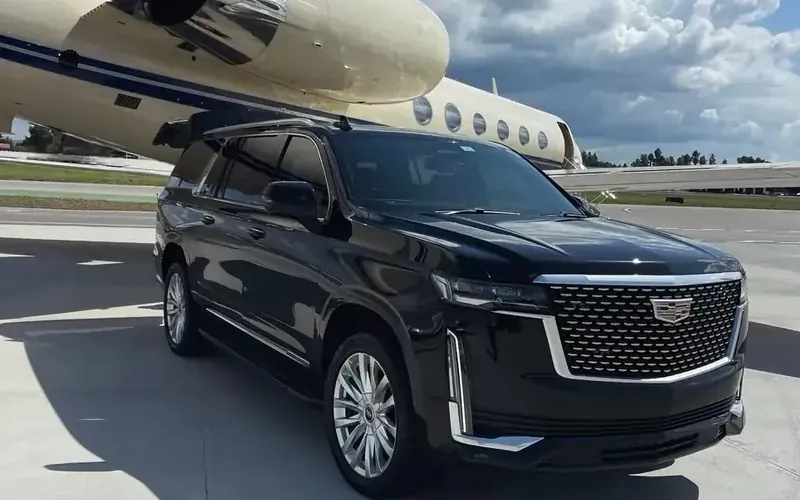
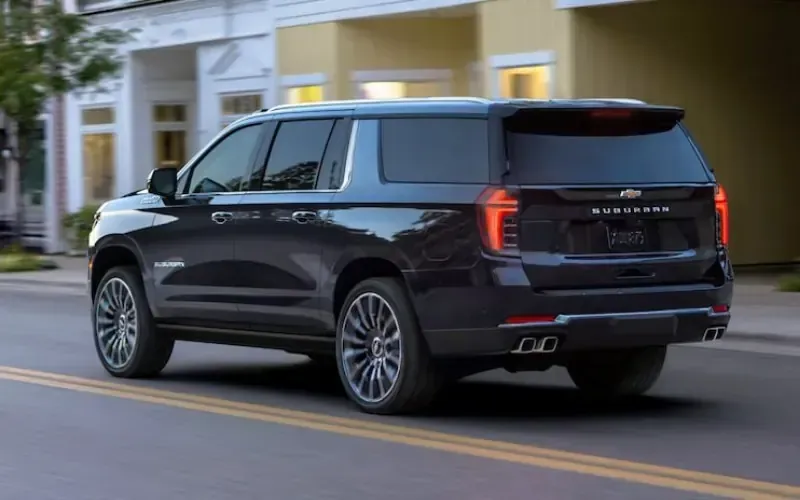
Navigating security is only one part of the airport experience. Getting to ATL on time and without hassle is just as important. Whether you're traveling for business or pleasure, a professional car service can make the trip easier. You'll be picked up at your home, hotel, or office and dropped off right at your terminal.
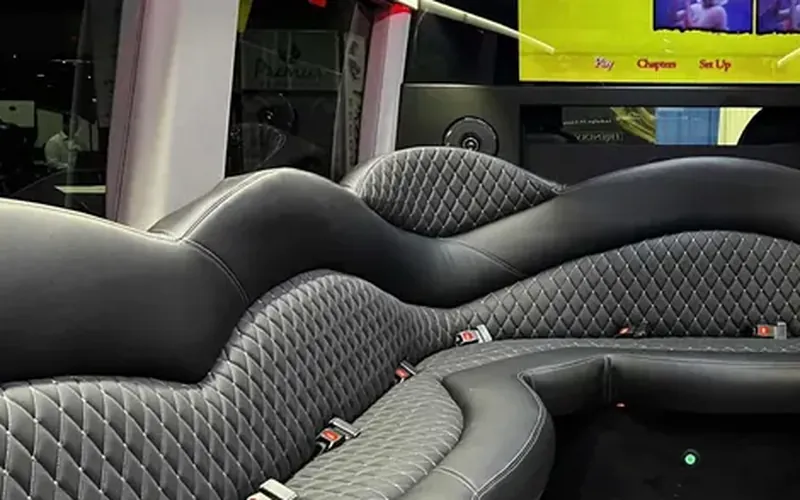
A chauffeur service also means you don't have to worry about parking, traffic, or finding a rideshare at the last minute. You can book a black car service for a smooth, comfortable ride to the airport. For groups, a Mercedes Sprinter or mini bus shuttle can accommodate everyone and their luggage.
If you're flying out of a private airport like PDK, FTY, or LZU, the security process is different (and often simpler), but you still need reliable transportation. A PDK airport car service or FTY airport car service can get you there on time.
Frequently asked questions
Can I bring a pocket knife through ATL security?
No, pocket knives are not allowed in carry-on bags at ATL or any U.S. airport. You can pack it in your checked bag, but make sure it's accessible for inspection. If you're unsure, check the TSA website.
What is the 3-1-1 rule for liquids?
The 3-1-1 rule means liquids, gels, and aerosols must be in containers of 3.4 ounces (100 milliliters) or less, packed in a single clear quart-sized bag, one bag per passenger. This applies to all carry-on bags.
Can I bring food through ATL security?
Yes, solid food is generally allowed through security. Liquids and gels, like yogurt or soup, must follow the 3-1-1 rule. If you're traveling internationally, check agricultural restrictions.
How early should I arrive at ATL for security?
The airport recommends arriving at least two hours before domestic flights and three hours before international flights. Wait times can vary, so check the airport's website for current estimates and allow extra time during peak periods.
Can I bring a firearm through ATL security?
Firearms are not allowed in carry-on bags. They can be transported in checked bags if they are unloaded, packed in a locked hard-sided case, and declared to the airline at check-in. Check with your airline for specific requirements.
Is TSA PreCheck available at ATL?
Yes, ATL has TSA PreCheck lanes at several checkpoints. If you're enrolled, you can use the dedicated lane and generally won't need to remove shoes, belts, laptops, or liquids. Enrollment is handled by TSA.
What happens if I bring a prohibited item to security?
If you bring a prohibited item to the checkpoint, TSA officers will ask you to surrender it or return it to your car. You may also be subject to additional screening. In some cases, you could face fines or legal consequences.