If you are trying to read the Atlanta airport map before a flight, the short version is this: Hartsfield-Jackson has two terminal buildings on the landside, seven concourses on the airside, and a train that connects them all behind security. Once you understand that basic shape, the airport stops feeling like a maze.
This guide explains the concourse layout, how the Plane Train works, realistic walking times between gates, and how to plan a tight connection. It also covers the parts of the map that matter before you fly, such as curbside drop-off, MARTA, and where a chauffeured car fits into the picture.
How the Atlanta Airport Map Is Laid Out
The layout looks confusing at first because the airport is really two systems stacked on top of each other. On the landside, where cars and trains arrive, there are two terminal buildings: the Domestic Terminal on the west side and the International Terminal on the east side. Both handle ticketing, baggage claim and security.
Behind security, the airport becomes a long line of seven concourses: T, A, B, C, D, E and F. They sit in a row connected by a central spine, and the Plane Train runs along that spine underground. Concourse T is closest to the Domestic Terminal, and Concourse F sits at the far international end.
That linear layout is why the Atlanta airport map matters more than at airports built in a circle or a hub-and-spoke pattern. Your gate's concourse letter tells you almost everything about how far you will walk, which train direction you need, and how much time to allow.
Domestic side
The Domestic Terminal serves the majority of flights and connects directly to Concourse T. If you are flying domestically, you will usually clear security here and then ride or walk to your concourse.
International side
The International Terminal connects to Concourse F, which handles international departures and arrivals. If you are arriving from abroad, you will clear customs here before continuing to baggage claim or ground transportation.
Which Airlines Use Which Concourse
Airlines occasionally shift gates, so treat any concourse list as a general guide rather than a guarantee. The most reliable source is your airline's app or the flight information screens on the day you travel. Still, knowing the usual pattern helps you read the airport before you arrive.
As a general rule, Delta operates heavily out of Concourse T, A, B and parts of C and E, since Atlanta is its largest hub. Southwest has historically used Concourse C, and a mix of other carriers use Concourse D and the lower letters. International flights generally depart from Concourse E and F.
The practical takeaway: check your gate assignment before you leave home, then confirm it again when you land or check in. Concourse letters change more often than most travelers expect, especially on busy travel days.
| Concourse | Commonly Used For | Closest Terminal |
|---|---|---|
| T | Delta domestic | Domestic |
| A | Delta domestic | Domestic |
| B | Delta domestic | Domestic |
| C | Delta and Southwest | Domestic |
| D | Mixed domestic carriers | Domestic |
| E | Delta international departures and some domestic | Domestic |
| F | International arrivals and departures | International |
How the Plane Train Works
The Plane Train is the automated people mover that runs beneath the concourses. It connects the Domestic Terminal, Concourse T, and Concourses A through F, plus the International Terminal and baggage claim areas. Trains run continuously throughout the day and into the night, following the airport's operating hours.
The system works like a subway with a fixed route. You step onto the platform, check the signage for the direction you need, and board the next train. Announcements and signs tell you which stops are ahead. Because the trains run so frequently, you rarely wait long.
One thing that surprises first-time travelers: the Plane Train is behind security. If you are on the landside and need to move between the Domestic and International terminals, you use the airport's other connector services or the roadway, not the Plane Train. Plan your drop-off accordingly.
Check the direction first: Platform signs list the stops ahead, so confirm you are heading toward your concourse before boarding.
Stand clear of the doors: The trains are busy at peak times, and doors close quickly.
Keep bags in front of you: Roll-aboard bags can roll on the slight floor transitions.
Use the handrails: Trains accelerate and brake firmly, especially when crowded.
Know your stop in advance: Concourse letters are announced and posted inside each car.
Walking Times Between Concourses
Walking times are the part of the layout people underestimate most. The concourses are long, and the moving walkways only cover part of the distance. If you walk from Concourse T to Concourse E on foot, you are covering a considerable stretch of the airport.
As a rough guide, moving between adjacent concourses on foot usually takes several minutes at a normal pace. Crossing several concourses can take 15 to 25 minutes or more depending on your pace, luggage and how crowded the walkways are. The Plane Train is almost always faster for anything beyond one concourse.
Inside each concourse, gates are numbered along a long corridor. Walking from one end of a concourse to the other can take a while, so if your connection involves a gate at the far end of a concourse, build in extra time. Add more buffer if you are traveling with kids, strollers or a lot of carry-on luggage.
When to walk instead of ride
If your next gate is one concourse away and you have time to spare, walking is a pleasant option. The concourses have moving walkways, art installations and food options along the way.
When to take the train
For two or more concourses, or any tight connection, take the Plane Train. It is faster, predictable and drops you near the center of each concourse.
Planning a Tight Connection at ATL
Hartsfield-Jackson is one of the busiest connecting airports in the country, so tight connections are common. The good news is that the linear layout and the Plane Train make connections more predictable than they look on the Atlanta airport map, as long as you move with purpose.
Start by checking your arrival and departure concourses before you land. If they are close, you have time to grab food. If they are far apart, head straight for the Plane Train and sort out food once you reach your gate area.
If your connection is genuinely short, tell a gate agent or flight attendant when you deplane. They can sometimes help you understand the fastest route or note that you are connecting. Keep your boarding pass handy, since you may need it at the gate.
Check both concourses: Compare your arrival and departure concourse letters before you land.
Move first, eat later: Handle the transit, then find food near your departure gate.
Use the Plane Train for distance: Ride for anything beyond one concourse.
Watch the departure screens: Gate changes happen, and screens are posted throughout the concourses.
Ask for help if it is tight: Gate agents can point you toward the fastest route.
Arriving at ATL: Curbside, MARTA and Ground Transport
The landside half of the map is where your ground plan matters. The Domestic Terminal has separate north and south curbsides, each with ticketing and baggage claim areas. The International Terminal has its own arrivals and departures curb. Knowing which side your airline uses saves you a loop around the airport.
MARTA, Atlanta's public rail system, connects directly to the Domestic Terminal and to a station serving the International side via a shuttle. It is a straightforward option if you are heading to Downtown, Midtown or Buckhead and traveling light.
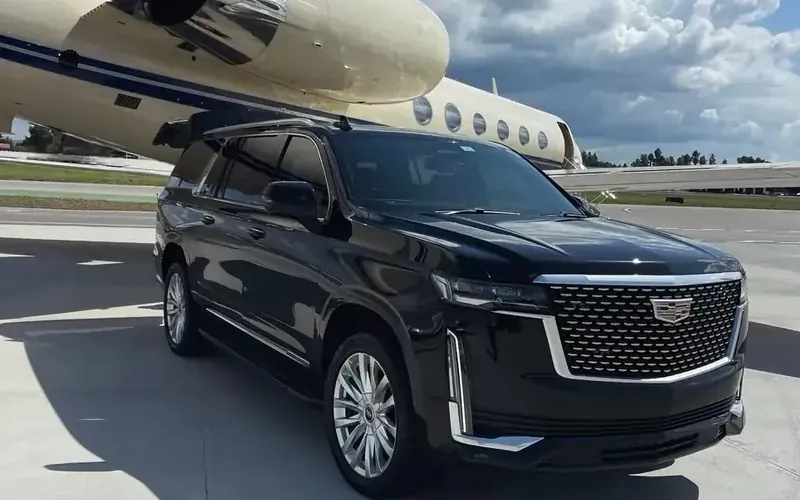
For many travelers, a pre-arranged car is the simplest choice, especially with luggage, kids or an early flight. A chauffeured car service to ATL Airport is quoted per trip, tracks your flight, and meets you at the correct curb. That removes the guesswork of which terminal entrance to use, which is a real advantage at an airport this size.
Getting From the Airport to Your Hotel or Meeting
Once you clear baggage claim, your attention shifts from concourses to roadways. The Domestic Terminal sits west of the airfield near College Park and East Point, and the International Terminal sits on the east side near Hapeville. Both connect to I-85 and I-285, which is how most drivers reach the city.
Drive times vary with traffic. Downtown and Midtown are usually a short highway ride north, Buckhead is farther, and suburbs like Sandy Springs, Marietta, Alpharetta or Peachtree City add more distance. Rush hour on I-85 and I-285 can stretch any of these trips considerably.
If you want the arrival handled for you, a car service from Atlanta Airport can meet you at baggage claim or curbside and take you straight to your destination. For groups, a larger vehicle keeps everyone together and avoids splitting into multiple cars.
International Arrivals and Concourse F
Concourse F is the international gateway, and it works differently from the domestic concourses. International arrivals deplane here and clear federal inspection before collecting bags and exiting to the International Terminal curb. That process adds time that does not show up on a simple terminal diagram.
If you are being picked up after an international flight, plan for a longer window. Customs and baggage claim can take a while depending on the volume of arriving flights. A professional driver tracking your flight can adjust to the actual arrival time rather than a scheduled one.
If you are connecting from an international arrival to a domestic flight, you will generally need to clear customs and re-check bags before heading to your domestic concourse. Build extra time into your connection and confirm the process with your airline.
Tips for Reading the Atlanta Airport Map Before You Fly
A few minutes of prep makes the airport much easier to navigate. Before your trip, look up your departure concourse and note whether you are flying from the Domestic or International Terminal. That single detail determines your drop-off point, your security line and your route to the gate.
On arrival day, use the airport's official website or your airline app for the current gate and terminal information. Screens throughout the airport repeat the same details, and staff at information desks can point you in the right direction.
If you are arranging a ride, share your airline, flight number and terminal with your driver. That lets them meet you at the right curb and time the pickup to your flight. For a stress-free start, a black car service or a scheduled ATL airport limo service keeps the ground side of your trip simple.
Know your terminal: Domestic and International have separate curbsides.
Note your concourse: The letter tells you where to go after security.
Check the app: Confirm your gate before you leave and again on arrival.
Plan for the train: The Plane Train is faster than walking for most connections.
Share flight details: Give your driver your airline and flight number for pickup.
When a Chauffeured Car Makes Sense at ATL
Hartsfield-Jackson is large enough that the ground experience can make or break a trip. A chauffeured car helps most when you are traveling with luggage, arriving on a late flight, heading to a meeting, or moving a group. The driver handles the terminal logistics so you do not have to.
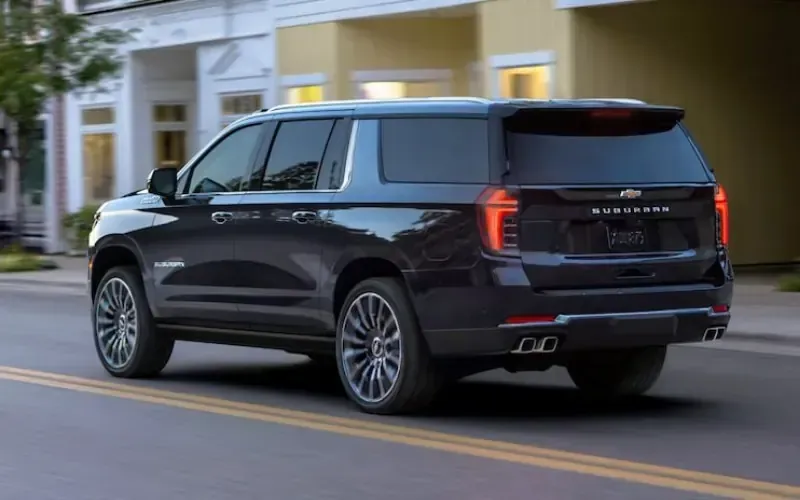
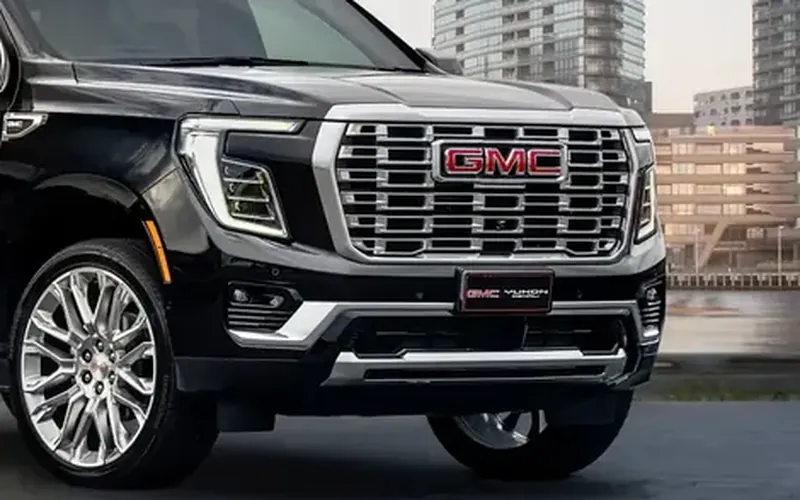
For business travel, a sedan or SUV with a professional chauffeur keeps your schedule predictable. For groups, a Sprinter or mini bus keeps everyone together and avoids a convoy of separate cars. For special occasions, a larger vehicle sets the tone before you even reach the city.
Pricing is quoted per trip, with gratuity, tolls and fees listed separately, so you know the total before you book. If you want to compare options for your arrival or departure, request a written quote and share your flight details and destination.
Frequently asked questions
How many concourses does Atlanta airport have?
Hartsfield-Jackson has seven concourses behind security, labeled T, A, B, C, D, E and F. Concourse T is closest to the Domestic Terminal, and Concourse F serves the International Terminal. Your airline and flight determine which one you use.
Is the Plane Train faster than walking at ATL?
For anything beyond one concourse, yes. The Plane Train runs continuously between concourses and is usually faster than walking the length of the airport. Walking is a reasonable option only when your next gate is close by and you have time to spare.
How long does it take to get between concourses at Atlanta airport?
Adjacent concourses are a short walk, but crossing several concourses on foot can take 15 to 25 minutes or more depending on pace and crowds. The Plane Train cuts that down significantly, so use it for tight connections.
Do I go through security again when connecting at ATL?
If you are connecting domestically and stay behind security, you generally do not need to go through security again. International arrivals usually clear customs and may need to re-check bags before continuing, so confirm the process with your airline.
Which terminal should I use for international flights at ATL?
International departures generally use the International Terminal and Concourse F. Some international flights may depart from other concourses, so check your airline's guidance before you leave for the airport.
Can I walk between the Domestic and International terminals?
They are separate buildings on opposite sides of the airfield, so walking between them is not practical. Use the airport's connector services or arrange ground transportation between the two, and confirm current options on the airport's official website.
How early should I arrive at Atlanta airport?
Plan to arrive with enough time for check-in, security and the walk or train ride to your gate. Busy travel days and international departures need more buffer. Check the airport's website and your airline for current guidance before you travel.