Most of the lounges you hear about at Hartsfield-Jackson are tied to an airline loyalty program, which is why so many travelers assume the doors are closed to them. In reality, several Atlanta airport lounges sell access, accept certain credit cards, or allow guests of eligible members, so you can buy your way into a quieter seat and a real meal before a flight.
The catch is that access rules change often, and ATL's two terminals do not have the same options. This guide explains how lounge access generally works at Atlanta's airport, what to check before you count on it, and how to build a lounge stop into your airport timing so you are not sprinting to the gate.
How Atlanta Airport Lounges Actually Work
Hartsfield-Jackson is organized into a domestic side and an international side, and each has its own cluster of lounges. The domestic terminal and concourses are connected by the Plane Train, while the international terminal has its own check-in hall and concourse. That layout matters because most lounges sit past security in a specific concourse, and you generally cannot hop between the domestic and international sides without a valid boarding pass for that area.
Access itself comes down to three routes. The first is a membership or status tier with an airline or lounge network. The second is a credit card or travel program that includes lounge visits. The third is a purchased day pass or a guest pass from an eligible member. Atlanta airport lounges vary in which of these they honor, and a lounge that accepted a certain card last year may have tightened its rules since.
One more thing to know: almost every lounge at ATL is airside, meaning you pass through TSA first. If your flight leaves from a different concourse, budget time to walk or ride the Plane Train back. A lounge stop works best when it is close to your departure gate rather than across the airport.
Airline clubs versus independent and network lounges
Airline-branded clubs are usually the strictest, reserving entry for their own premium cabins, elite members, and eligible cardholders, with guest rules that change by program. Independent and network lounges tend to be more flexible and are more likely to sell access or accept a broader set of cards. If you have no airline status at all, start with the independent and network options.
Why the rules keep changing
Lounges at busy airports are dealing with more demand than they have seats. Many responded by limiting day passes during peak hours, raising card requirements, or restricting guests. Treat any access rule you read as a starting point and verify it on the lounge operator's own page or your card issuer's benefits page before you plan around it.
Lounges You Can Usually Reach Without Airline Status
The list below covers the lounge options at ATL most commonly open to travelers without Delta status. Names and locations are stable, but access terms are not, so confirm current rules with the operator or your card issuer before you go.
A few practical notes. The international terminal's lounges are only useful if you are departing from Concourse F or can reach it with a valid boarding pass. Domestic concourse lounges are easier to use on a routine business trip. And a lounge that accepts a network membership may still turn you away when it is full, which happens most often in the late afternoon and early evening.
The Club at ATL: An independent lounge in the international terminal area, known for accepting network memberships and selling access in some cases. Confirm current entry rules and location before your trip.
Delta Sky Club: Delta's own clubs are the ones most travelers picture, and they are the hardest to enter without status. Entry is generally limited to eligible cardholders, premium cabin flyers and members, with guest rules that vary by card and program.
Airline partner and alliance lounges: Some international carriers operate or contract lounge space for their premium passengers, and certain programs extend access to members flying partner airlines.
Credit card and network lounge programs: Several card issuers and lounge networks include ATL locations in their access lists. Check whether your card includes visits, whether guests cost extra, and whether the specific concourse lounge participates.
Purchased day passes: Where a lounge sells passes, you normally pay at the door or in advance and show a same-day boarding pass. Availability is not guaranteed and can be suspended at busy times.
What to expect inside
Atlanta lounge amenities are fairly consistent: seating with power outlets, Wi-Fi, a snack spread or light buffet, a bar or self-serve drinks, and restrooms. Showers are rare at ATL and usually limited to specific international lounges. Do not expect a full restaurant; think of it as a comfortable waiting room with food.
Lounge access with a credit card
Many travel credit cards advertise lounge access, but the details decide whether it works for you: which network the card uses, how many visits per year, whether guests are included, and whether the ATL location participates. Read the current benefits guide from your card issuer rather than relying on an old blog post or an app listing.
Domestic Versus International Terminal Lounges
Where you sit in the airport determines which lounges are realistic. If you are flying domestically, your boarding pass gets you through the domestic checkpoint and onto the concourses, and the Plane Train links them all. If you are flying internationally, you check in at the international terminal and clear security into Concourse F, which has its own smaller set of lounges.
The two sides are not freely interchangeable. Walking from a domestic concourse to the international concourse is possible in some cases, but it adds time and depends on your boarding pass and the airport's current flow. Plan around the lounge nearest your departure gate instead of crossing the airport for a nicer chair.
For a domestic departure, arriving with enough buffer is the whole game. If you are unsure how much time to allow, our guide to how early to get to Atlanta airport covers the trade-offs between domestic and international departures and how security lines behave at different hours.
| Your situation | Where lounges usually are | What to plan for |
|---|---|---|
| Domestic flight, no status | Domestic concourses, past the main checkpoint | Confirm the lounge accepts your card or pass; allow time to ride the Plane Train to your gate |
| International flight | Concourse F at the international terminal | Check in at the international terminal; lounges here are fewer and can fill up |
| Long layover | Nearest concourse to your connecting gate | Pick a lounge close to the gate rather than the nicest one across the airport |
| Early morning departure | Whichever lounge opens earliest | Some lounges open later than the first flights; check opening hours |
| Late evening departure | Concourse lounges with evening hours | Lounges may limit entry when full near peak departure banks |
Buying a Day Pass: What to Know Before You Pay
A day pass is the simplest route for a traveler with no status and no relevant credit card. You pay a flat fee, show a same-day boarding pass, and stay for a set window or until your flight. The price is set by the lounge or the program selling the pass, and it changes, so check the current rate with the operator rather than budgeting from an old figure.
The bigger issue is availability. Busy lounges often pause day-pass sales when they are near capacity, and that tends to happen during the afternoon and evening rush. If a lounge visit is important to your trip, arrive earlier rather than later, and have a backup plan such as a sit-down restaurant in your concourse.
Also read the fine print on time limits and re-entry. Some passes allow you to come and go; others are one entry only. If you plan to leave for a gate snack and come back, confirm that is allowed before you pay.
Guest passes from a member
If a colleague or travel companion has an eligible membership or card, they may be able to bring you in as a guest. Guest allowances are usually capped, sometimes carry a fee, and depend on the member's specific program tier. Ask before you get to the door, not at it.
Booking a lounge as part of a longer trip
On multi-leg journeys, a lounge stop can replace an airport meal and give you a quiet place to work. Pair it with a pre-arranged ride so you are not juggling parking, shuttles and a lounge reservation all at once. A car service to Atlanta airport with a set pickup time keeps the front half of the trip predictable.
Timing Your Lounge Visit Around Your Flight
A lounge is only relaxing if you have enough time to use it and still make your flight comfortably. Work backward from your boarding time, not your departure time. Boarding usually starts well before the door closes, and at a large airport like ATL the walk from a lounge to a distant gate can take a while.
A simple rule: if you have more than about an hour of slack after clearing security, a lounge stop is comfortable. If you are cutting it close, skip it. Rushing out of a lounge with a plate of food is worse than waiting at the gate.
Security is the variable you cannot fully control. ATL has multiple checkpoints and wait times swing by hour and day. Check the airport's live security wait information before you leave for the airport, and leave extra room if you are traveling on a Monday morning or a holiday weekend.
Check your boarding time first: Work backward from boarding, not departure, and subtract the walk to your gate.
Confirm the lounge is airside in your concourse: A lounge on the other side of the airport is usually not worth the trip.
Look up current access rules the day you fly: Capacity pauses and card rule changes happen without much notice.
Keep a backup plan: Know which restaurants or quiet gates are near your gate in case the lounge is full.
Arrange your ride in advance: A scheduled pickup removes one variable from an already tight morning.
Getting to the Airport With Time to Spare
Lounge access is a small perk that depends on a big thing: arriving at the airport with time to spare. The most common reason travelers miss a lounge stop is not access rules, it is traffic on I-85, I-75 or the Downtown Connector, or a slow security line that eats the buffer they planned.
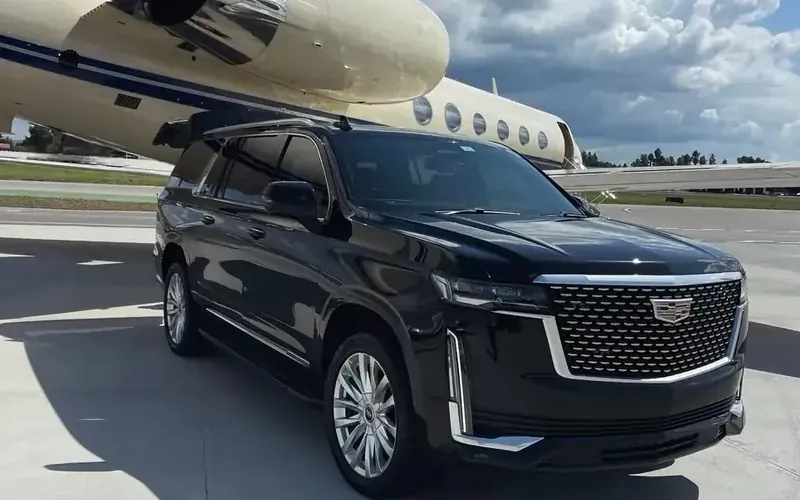
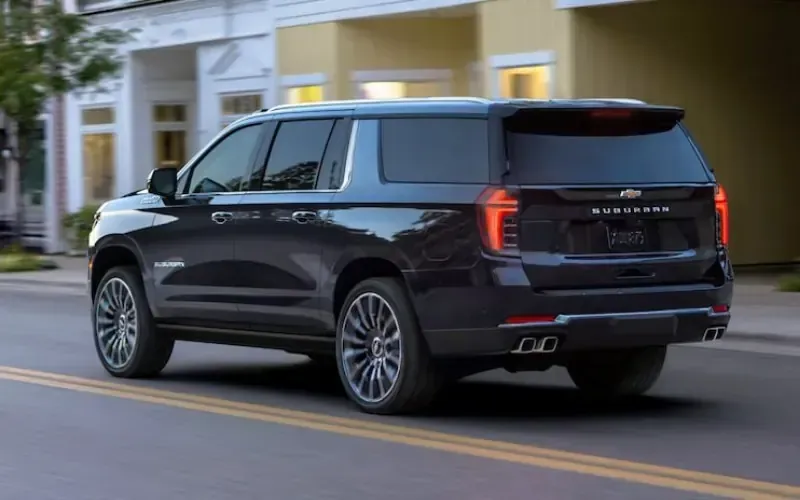
A pre-booked chauffeured ride helps here because your pickup time is set in advance, your driver tracks your flight, and you are not hunting for parking or waiting on a curb for a ride. For early departures, that difference is real: a 5 a.m. flight out of ATL is much easier when a car is already outside.
If you are coming from the northern suburbs, the drive down I-85 or GA 400 can vary a lot by hour. Travelers from Alpharetta, Roswell and Johns Creek often leave earlier than they think they need to, and a car service from Atlanta airport on the return leg means you are not standing in a pickup zone after a long flight.
For groups, the calculus changes. A Sprinter or mini bus keeps a group together through check-in and security, and nobody has to coordinate separate cars. If you are traveling with colleagues, look at group transportation in Atlanta so everyone arrives on the same schedule.
Alternatives When the Lounge Is Full
Lounges fill up, and day passes get paused. When that happens, ATL still has decent options if you know where to look. The airport has a wide range of restaurants and bars across the concourses, from quick counter service to sit-down spots, and some concourses are quieter than others depending on the time of day.
Another option is to build the comfort into your trip before the airport. A chauffeured ride with a quiet back seat, Wi-Fi and no parking hassle is a reasonable substitute for a crowded lounge, especially on a short flight where you would only get twenty minutes inside anyway.
If you fly often, it may be worth reviewing which of your credit cards actually include lounge access at ATL and whether the annual fee pays for itself in visits. That is a personal math problem, and card terms change, so read the current benefits guide from the issuer.
Quiet corners of the airport
Gate areas at the ends of concourses are usually calmer than the central hubs near the Plane Train. If you just want a seat and an outlet, walking one concourse further can be easier than chasing a lounge pass.
Planning a longer layover
On a long connection, consider whether leaving the airport is realistic. ATL sits close to College Park, East Point and Hapeville, and a short ride gets you to a real restaurant. Check your connection time carefully and confirm with your airline before you leave security.
Frequently Asked Questions
These are the questions travelers ask most about Atlanta airport lounges when they do not hold airline status. Access rules are set by each lounge and card program and can change, so confirm current terms before you travel.
Planning Your Next ATL Trip
Lounge access at Hartsfield-Jackson is less about status than about knowing which doors are open to you and building enough time to walk through them. Check the lounge operator's current rules, confirm your card benefits, and match the lounge to your concourse.
Then handle the part of the trip you can control. A flat, itemized quote before you book, a professional chauffeur, and a pickup time set to your flight make the airport day calmer whether or not a lounge seat is waiting. Request a quote for your next ATL departure and see what the timing looks like.
Frequently asked questions
Can you get into any Atlanta airport lounge without Delta status?
Yes, in some cases. Several lounges at ATL accept purchased day passes, network memberships or eligible credit cards, and members can sometimes bring guests. The rules vary by lounge and change over time, so check the operator's current access policy before you count on it.
Do Atlanta airport lounges sell day passes?
Some do, but availability is not guaranteed. Lounges often pause day-pass sales when they are near capacity, especially during afternoon and evening departure banks. Confirm the current policy and price with the lounge directly.
Which credit cards get you into ATL lounges?
Several travel cards include lounge access through a network or directly, but the details matter: which network, how many visits per year, guest fees and whether the specific ATL location participates. Read your issuer's current benefits guide rather than an older summary.
Are the international terminal lounges better than the domestic ones?
They are different rather than better. The international terminal has fewer lounges but may offer more amenities for long-haul travelers. They are only useful if your boarding pass lets you into that area, so match the lounge to your departure concourse.
How early should I get to ATL to use a lounge?
Aim for at least an hour of slack after clearing security if you want a relaxed lounge stop. Work backward from your boarding time, not departure time, and allow for the walk or Plane Train ride to your gate.
Can I bring a guest into a lounge at Hartsfield-Jackson?
Sometimes, depending on the lounge and the member's program tier. Guest allowances are often capped and may carry a fee. Ask the lounge or check your program's rules before you arrive at the door.
What if the lounge is full when I get there?
Have a backup. ATL has restaurants and bars across the concourses, and gate areas at the ends of concourses tend to be quieter. If your flight is short, a comfortable pre-arranged ride may be a better use of the time than chasing a pass.